Best Things to Do in Tokyo: 12 Sights, Shows and Views Worth Your Time
Published 12 Nov 2026
Short answer: The best things to do in Tokyo mix free landmarks and a few paid highlights: Senso-ji in Asakusa, Meiji Shrine, the Imperial East Gardens, the Shibuya crossing, a view from Shibuya Sky or Tokyo Skytree, and a live sumo show, which costs ¥10,000 and runs about 90 minutes in English.
Tokyo has more to see than any visit can hold, so the useful question is what to leave out. This list keeps twelve things that reward the time, says what each costs, and groups them so you are not crossing the city twice in a day.
In this guide
- The best things to do in Tokyo at a glance
- Temples, shrines and gardens
- Views over the city
- Districts worth walking
- A live sumo show
- How to fit it into your days
- Getting around
- Frequently asked questions
- Venue and booking details
The Best Things to Do in Tokyo at a Glance
Last checked November 2026. Confirm hours before you go.
# | Thing to do | Area | Cost | Time needed |
|---|---|---|---|---|
1 | Senso-ji and Nakamise | Asakusa | Free | 1.5 to 2 hours |
2 | Meiji Shrine | Harajuku | Free to enter the grounds | 1 to 1.5 hours |
3 | Imperial East Gardens | Marunouchi | Free | 1 hour |
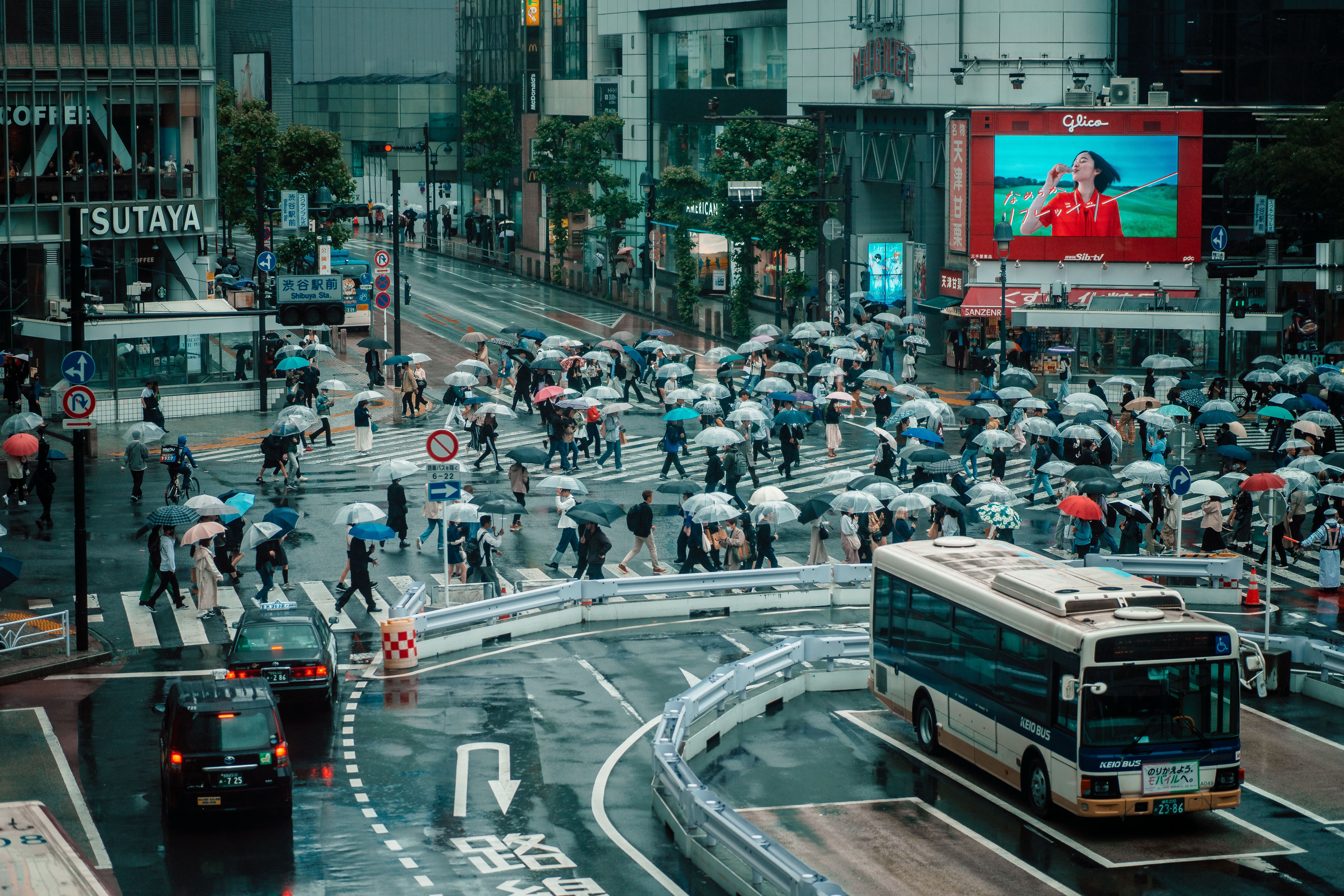
4 | Shibuya Crossing | Shibuya | Free | 15 minutes |
5 | Shibuya Sky | Shibuya | ¥2,700 online | 1 hour |
6 | Tokyo Skytree | Oshiage | From ¥2,100 advance | 1.5 hours |
7 | Tokyo Metropolitan Government Building decks | Shinjuku | Free | 45 minutes |
8 | Shinjuku Gyoen | Shinjuku | ¥500 | 1.5 hours |
9 | Ueno Park | Ueno | Free to enter | 2 hours |
10 | Tsukiji Outer Market | Tsukiji | Pay as you eat | 1 to 2 hours |
11 | A Live Sumo Show | Shinjuku, Shibuya | ¥10,000 | 90 minutes |
12 | Ryogoku Sumo Museum | Ryogoku | Free | 45 minutes |
Seven of the twelve cost nothing. The paid ones are worth choosing carefully.
Temples, Shrines and Gardens
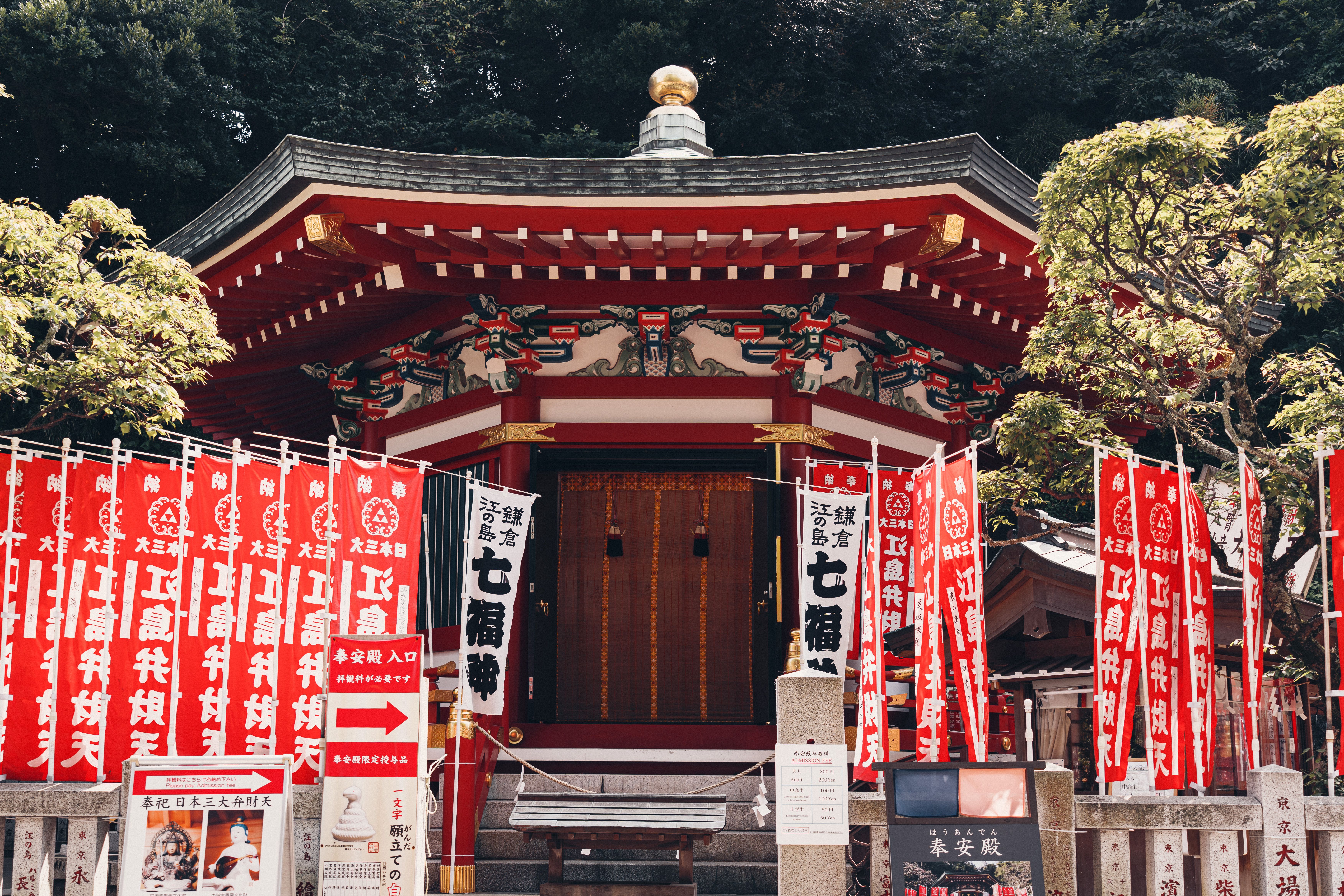
Senso-ji is Tokyo's oldest temple, founded in 628 and completed in 645. The grounds are always open, the main hall opens at 6:30 from October to March and 6:00 otherwise, and entry is free. The Nakamise shopping street leading to it runs more than 200 metres. Go early, before the tour groups.
Meiji Shrine sits in a forest beside Harajuku and Yoyogi Park, and the walk from the gate to the shrine is the point. It is free to enter the grounds. Pair it with Takeshita Street if you want contrast.
The Imperial East Gardens are the former site of Edo Castle's inner grounds, free to enter and a quiet pause between Tokyo Station and the business district. Shinjuku Gyoen is the larger, more formal park, ¥500 to enter and closed on Mondays.
Views Over the City
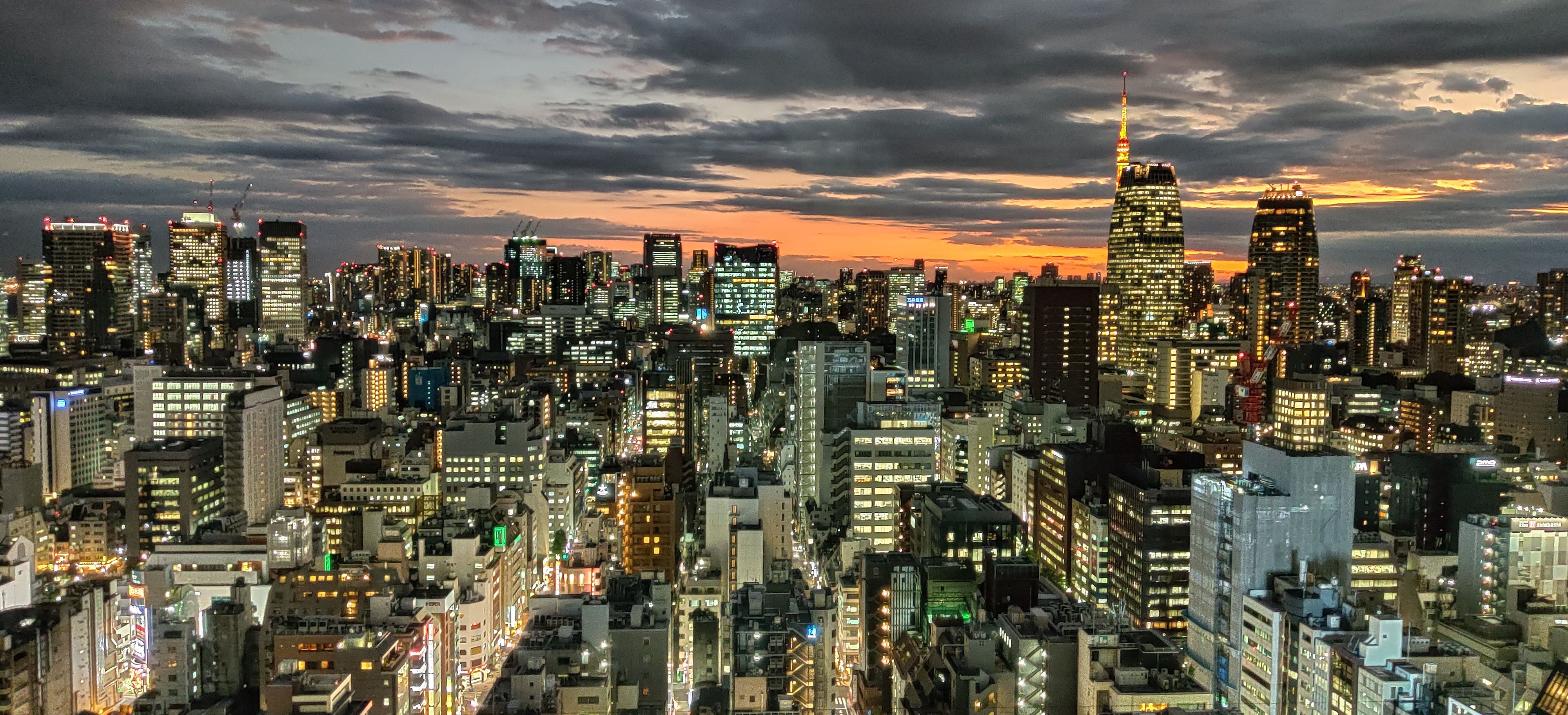
Tokyo has several observation decks, and you do not need all of them. Choose by what you want to see.
- Shibuya Sky: an open-air deck on a 230 m tower above the crossing. ¥2,700 booked online, 10:00 to 22:30, last entry 21:20.
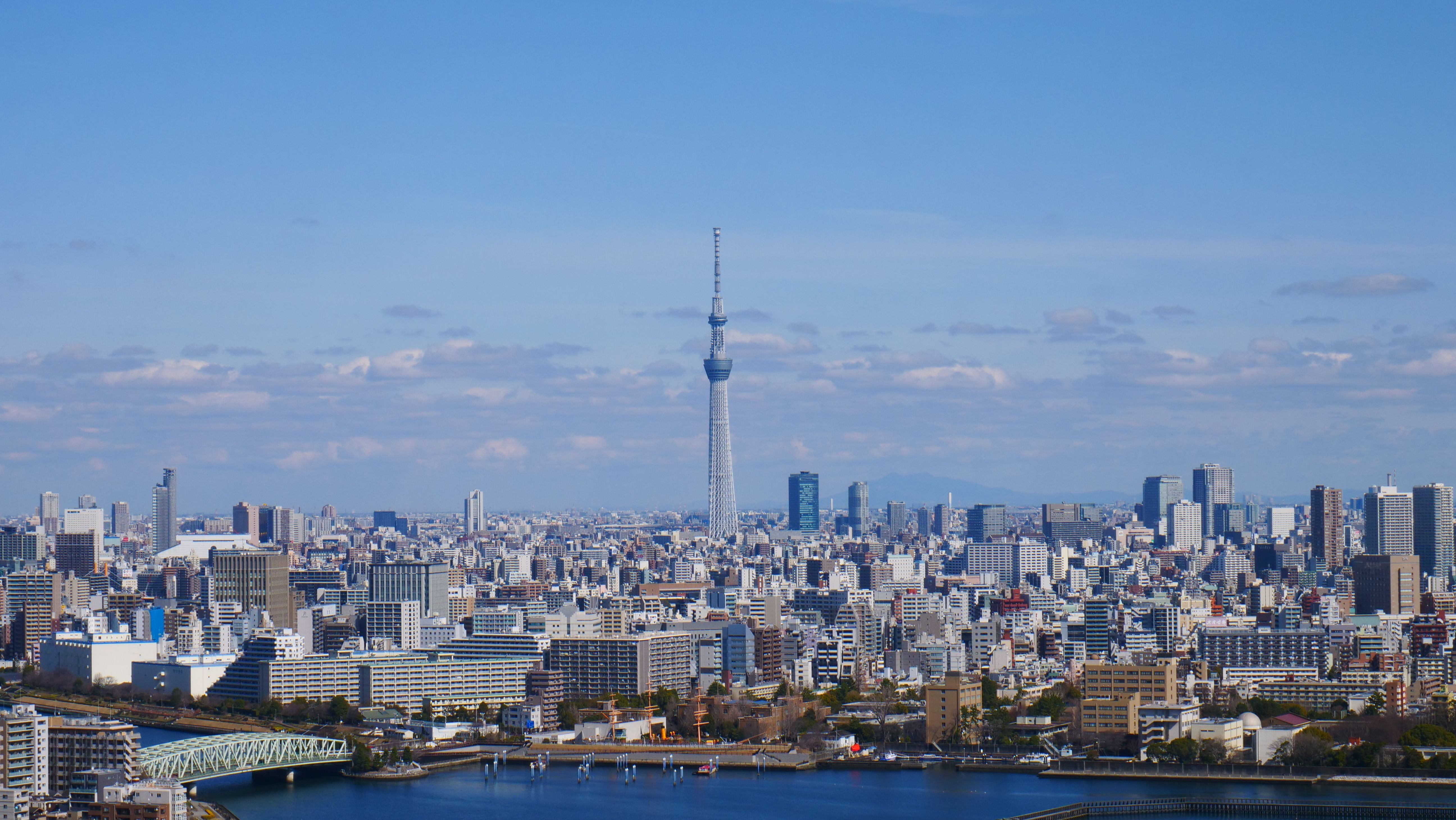
- Tokyo Skytree: 634 m tall, with decks at 350 m and 450 m. The first observatory is ¥2,400 on a weekday and ¥2,600 at weekends on the day, and cheaper in advance. Open 10:00 to 22:00.
- Tokyo Metropolitan Government Building: free decks at 243 m in Shinjuku, open 9:30 to 22:00, last entry 21:30.
If you only pick one, take Shibuya Sky at sunset. If you want a free view, the Government Building does the job.
Districts Worth Walking
Tokyo is a set of neighbourhoods, and the best ones for a first visit are Asakusa for the old city, Shibuya and Harajuku for crowds and youth culture, Shinjuku for neon and food, and Ueno for its park and museums. The Tsukiji Outer Market is a short walk from the former fish market site and is best for a late-morning snack tour.
Our guides cover two of them in detail: things to do in Shinjuku and things to do in Shibuya.
A Live Sumo Show
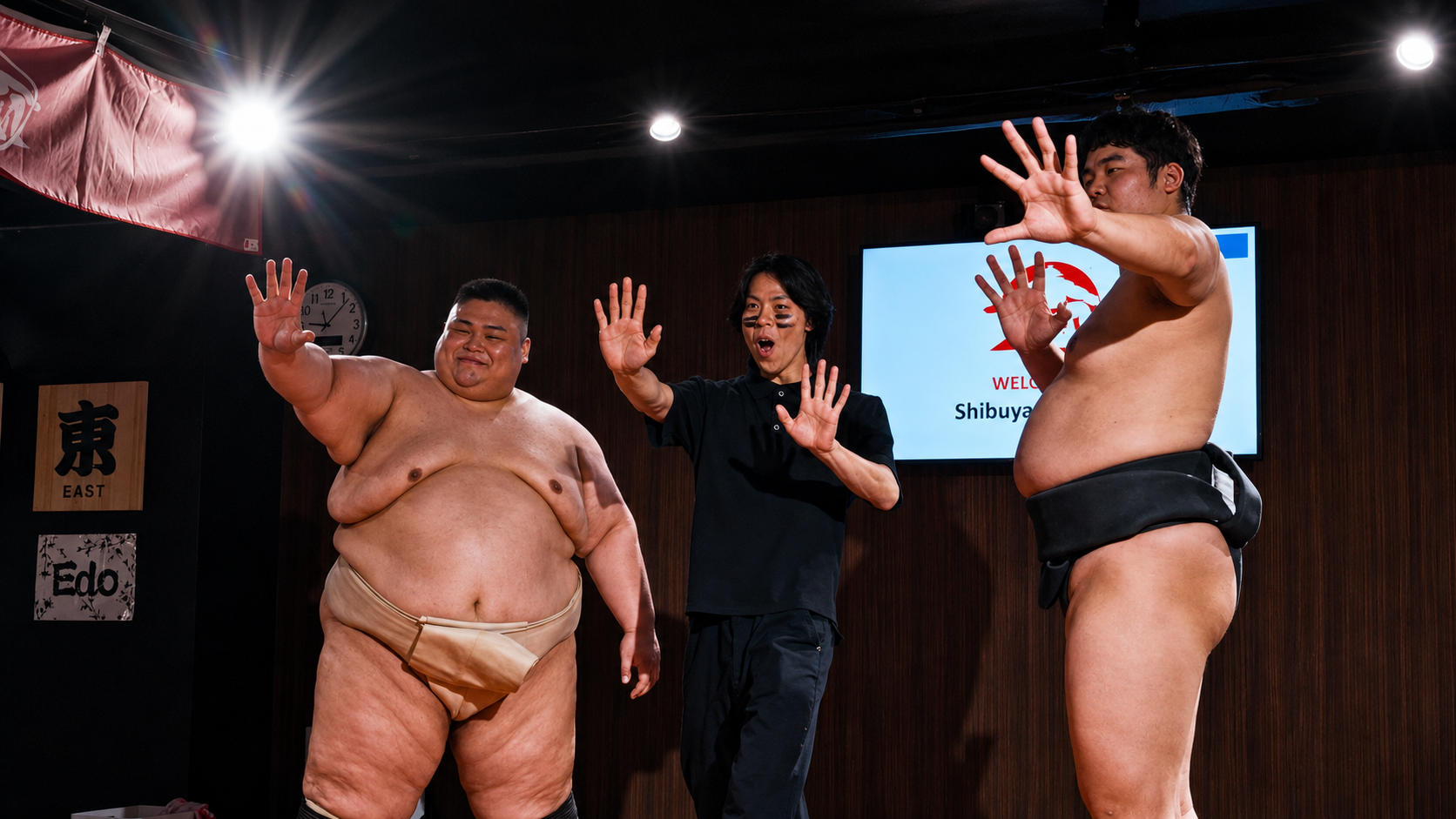
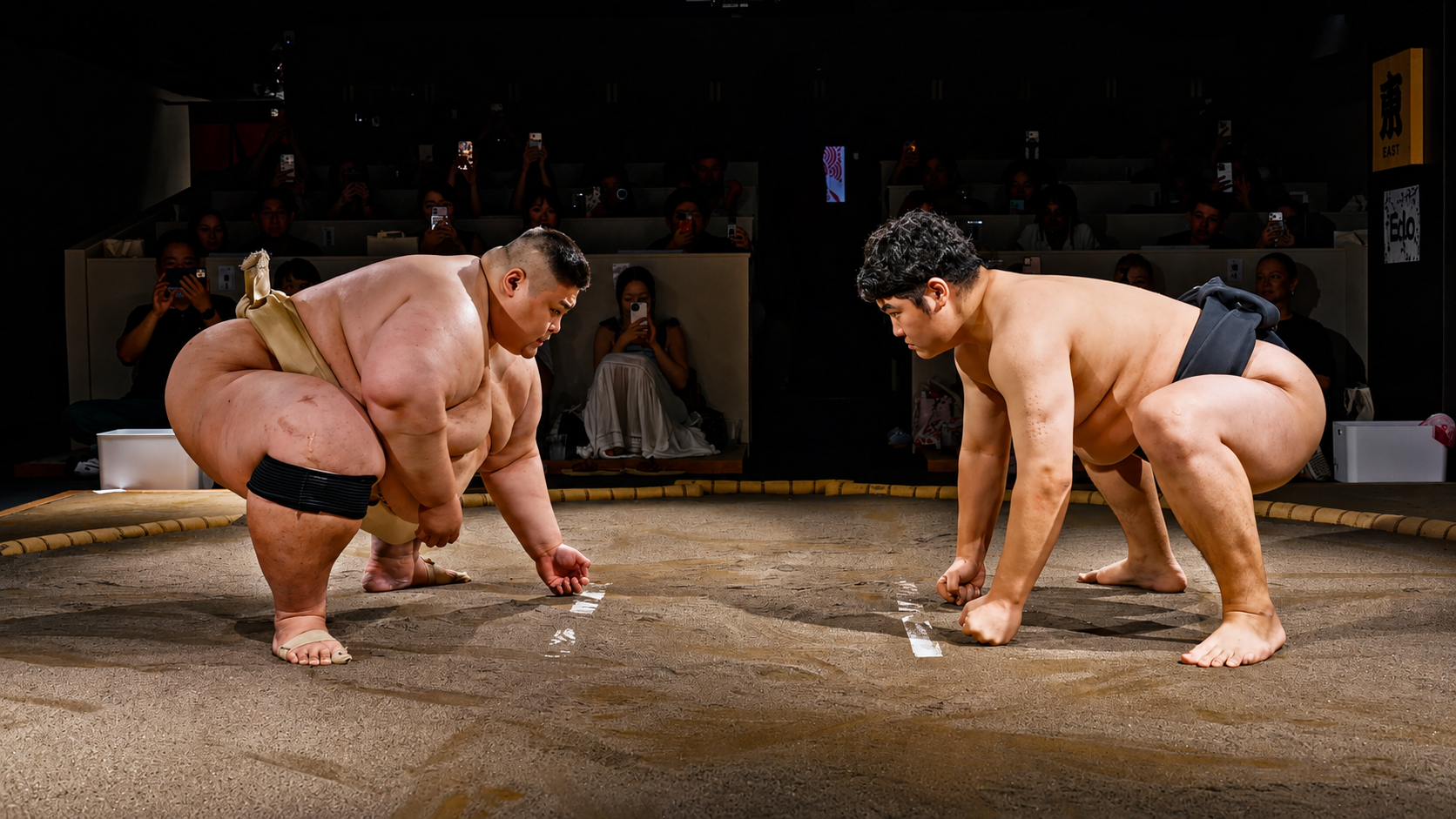
Among the best things to do in Tokyo, a sumo show is the one that is hard to do anywhere else. Retired professional wrestlers perform real bouts in a small ring while an English-speaking host explains the history, the rituals and the rules. Guests can join the Sumo Challenge and take photos afterwards.
Shows run about 90 minutes and cost ¥10,000 per adult, with one drink included (checked Nov 2026). Shinjuku Sumo Club runs from 9:30, so it fits before anything else opens. Shibuya Sumo Club is a minute from JR Yoyogi Station. Our guide to the best sumo shows in Tokyo compares the venues. For the national tournaments, the free Ryogoku Sumo Museum is open 12:30 to 16:00 on weekdays and explains the sport.
How to Fit It Into Your Days
Group by area, not by fame.
- Day one, east side: Senso-ji in the morning, Skytree after lunch, Tsukiji or Ueno if time allows.
- Day two, west side: a morning sumo show in Shinjuku, Shinjuku Gyoen, then the Government Building deck at dusk.
- Day three, Shibuya and Harajuku: Meiji Shrine at opening, Takeshita Street, then Shibuya Sky for sunset and the crossing after dark.
Book the show and the deck in advance, since both have fixed slots.
Getting Around
Tokyo's trains reach everything on this list. Asakusa has its own station on the Ginza and Asakusa lines, Skytree is at Tokyo Skytree and Oshiage stations, and the JR Yamanote Line loops through Shinjuku, Harajuku, Shibuya, Ueno and Tokyo Station. For the sumo shows, Shin-Okubo is the station for Shinjuku and JR Yoyogi for Shibuya.
Conclusion
The best things to do in Tokyo are easier to choose than they look: one old temple, one forest shrine, one view, one neighbourhood walk, and one thing you cannot do at home. Make that last one a live sumo show, book it first, and let the free sights fill the gaps.
Frequently Asked Questions
What are the best things to do in Tokyo for a first visit?
Start with Senso-ji in Asakusa, Meiji Shrine, the Shibuya crossing and one observation deck, either Shibuya Sky or Tokyo Skytree. Add a live sumo show for something you cannot see at home. Most of these are free or cheap, so the paid ones are where to spend carefully.
How many days do you need in Tokyo?
Three days covers the main sights without rushing: one for the east side with Asakusa and Skytree, one for Shinjuku, and one for Shibuya and Harajuku. A fourth day lets you add Ueno or a day trip. Group attractions by area so you spend less time on trains.
What is the best free thing to do in Tokyo?
Senso-ji is the strongest free choice, since the grounds are always open and the main hall costs nothing. The Tokyo Metropolitan Government Building decks are the best free view, at 243 metres. Meiji Shrine and the Imperial East Gardens are also free to enter.
Which observation deck is best in Tokyo?
Shibuya Sky is the best for sunset and the crossing view, at ¥2,700 booked online. Tokyo Skytree is the tallest, with decks at 350 and 450 metres. The Government Building in Shinjuku is free. Pick one rather than all three, since the views overlap.
Is a sumo show worth doing in Tokyo?
Yes, if you want an hour and a half of something specific to Japan. Retired professional wrestlers perform real bouts in a small ring, an English-speaking host explains what you see, and guests can try the Sumo Challenge. It costs ¥10,000 per adult with one drink included.
How much money do you need for the best things to do in Tokyo?
Many top sights are free, including Senso-ji, Meiji Shrine and the Imperial East Gardens. Budget roughly ¥2,500 to ¥2,700 for one observation deck and ¥10,000 for a sumo show. Shinjuku Gyoen is ¥500. Food and trains are the larger part of a day's spending.
When is the best time to visit Tokyo?
Spring and autumn are the usual favourites for weather, and the gardens look their best then. Winter is dry and clear, which suits observation decks. Summer is hot and humid, so plan indoor options such as a sumo show. Our sumo shows run all year, indoors.
Where can I see sumo in Tokyo?
Shinjuku Sumo Club, Shinjuku Kabukicho Sumo Club and Shibuya Sumo Club all run English-hosted shows. Shin-Okubo is the nearest station for the two Shinjuku venues, and JR Yoyogi is one minute from Shibuya Sumo Club. The national tournaments in Ryogoku run three times a year.
Venue and Booking Details
- Shinjuku Sumo Club: Sekisaku Building 2F, 2-5-22 Okubo, Shinjuku-ku, Tokyo · 9:30–22:30 (last entry 20:00) · near Shin-Okubo and Higashi-Shinjuku stations
- Shinjuku Kabukicho Sumo Club: K-SQUARE 1F, 1-8-4 Okubo, Shinjuku-ku, Tokyo · near Shin-Okubo Station
- Shibuya Sumo Club: Daiichi Silver Building, 5-20-11 Sendagaya, Shibuya-ku, Tokyo · 9:00–21:00 · 1-minute walk from JR Yoyogi Station
- Shows: about 90 minutes · hosted in English · one drink included · same-day seats often available
- Book: travelingjapan.com/brands/sumo-show