
Things to Do in Shinjuku: Gardens, Views, Alleys and a Sumo Show
Published 9 Nov 2026
Short answer: The main things to do in Shinjuku are the free observation decks at the Tokyo Metropolitan Government Building, the gardens at Shinjuku Gyoen, the alley restaurants of Omoide Yokocho and the small bars of Golden Gai. For something you take part in rather than look at, our two sumo shows run several times a day in the same district.
Shinjuku is two neighbourhoods wearing one name: office towers and a quiet garden on the west side, alleys and neon on the east. This guide lists what to see on each side, what it costs, and how to fit it into one day.
In this guide
- Things to do in Shinjuku at a glance
- The west side: views and gardens
- The east side: alleys and neon
- See a sumo show in Shinjuku
- A one-day plan
- Getting there
- Frequently asked questions
- Venue and booking details
Things to Do in Shinjuku at a Glance
Hours and prices below checked November 2026. Confirm before you go, since hours change seasonally.
Stop | What it is | Hours | Price |
|---|---|---|---|
Tokyo Metropolitan Government Building | Observation decks on the 45th floor of each tower, 243 m tall | 9:30 to 22:00, last entry 21:30 | Free |
Shinjuku Gyoen | A large garden, formerly imperial grounds | 9:00 to 18:00, seasonal; closed Mondays | ¥500 |
Omoide Yokocho | Narrow alleys of tiny restaurants serving ramen, soba, sushi and yakitori | Typically 17:00 to 24:00 | N/A |
Golden Gai | Over 200 small bars and eateries | Typically from 19:00 or 20:00; usually closed Sundays | N/A |
Shinjuku Sumo Club | A 90-minute sumo show hosted in English | 9:30 to 22:30, last entry 20:00 | ¥10,000 |
Two of these cost nothing. The observation decks are free, and walking Omoide Yokocho costs whatever you decide to eat.
The West Side: Views and Gardens
The observation decks. The Tokyo Metropolitan Government Building has a deck on the 45th floor of each of its two towers, 243 metres up, and entry is free. It is the cheapest high view in the city, and on a clear day it earns the walk from the station.
Shinjuku Gyoen. A large garden a few minutes east of the towers, open 9:00 to 18:00 with seasonal variations, closed Mondays, ¥500 to enter. It is the quietest place in the district by a wide margin, and the obvious reset between a morning of walking and an afternoon of crowds.
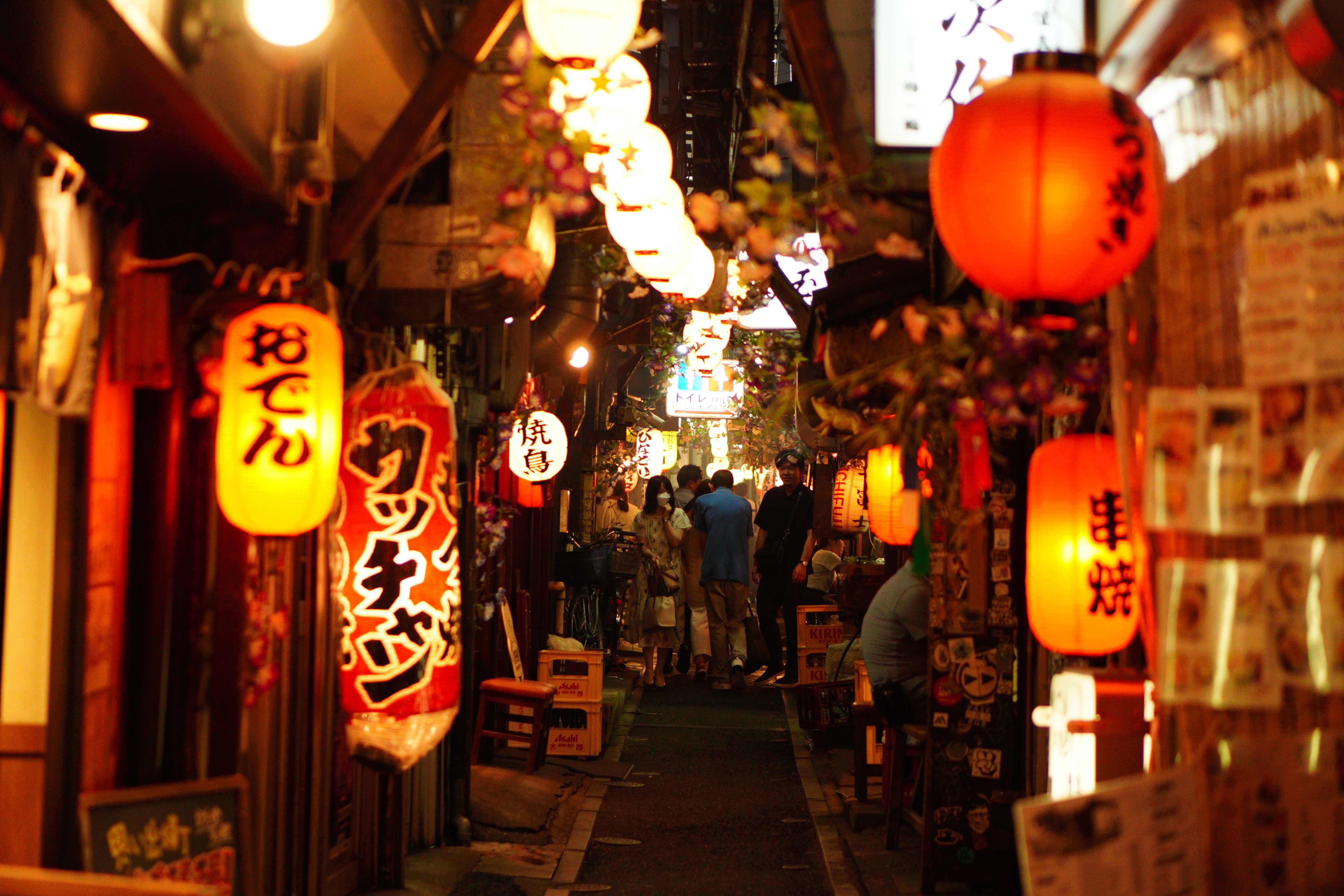
The East Side: Alleys and Neon
Omoide Yokocho is a cluster of narrow alleys northwest of the station, packed with tiny eateries. Most open around 17:00 and run to midnight. Closing days are irregular, so have a second choice in mind.
Golden Gai holds more than 200 small bars and eateries in a few short lanes, most opening at 19:00 or 20:00 and usually closed on Sundays. Many seat six or eight people, and some charge a cover.
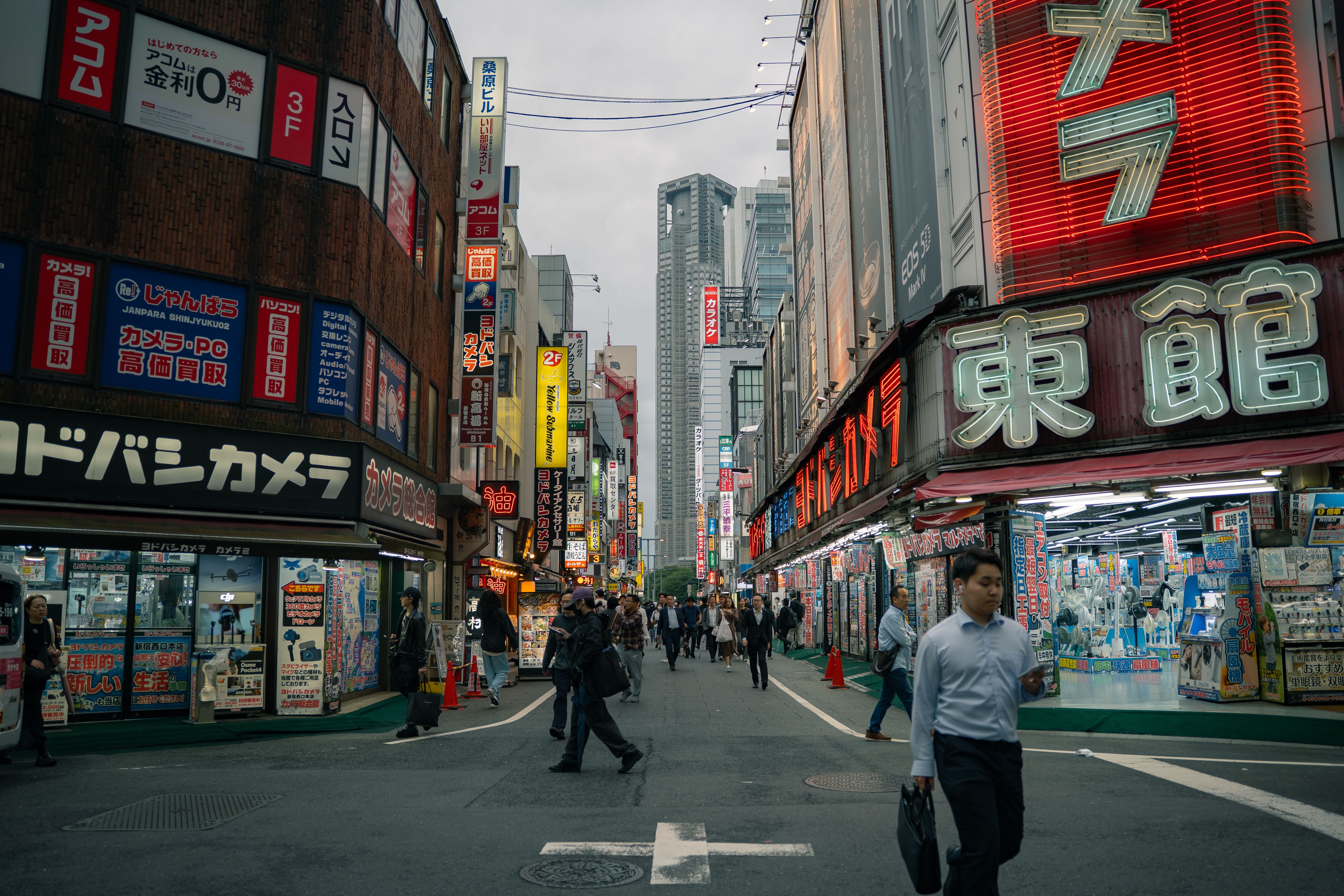
Shinjuku Kabukicho is the entertainment district on the east side. It is busiest at night, and it is also where one of our two sumo venues sits.
See a Sumo Show in Shinjuku
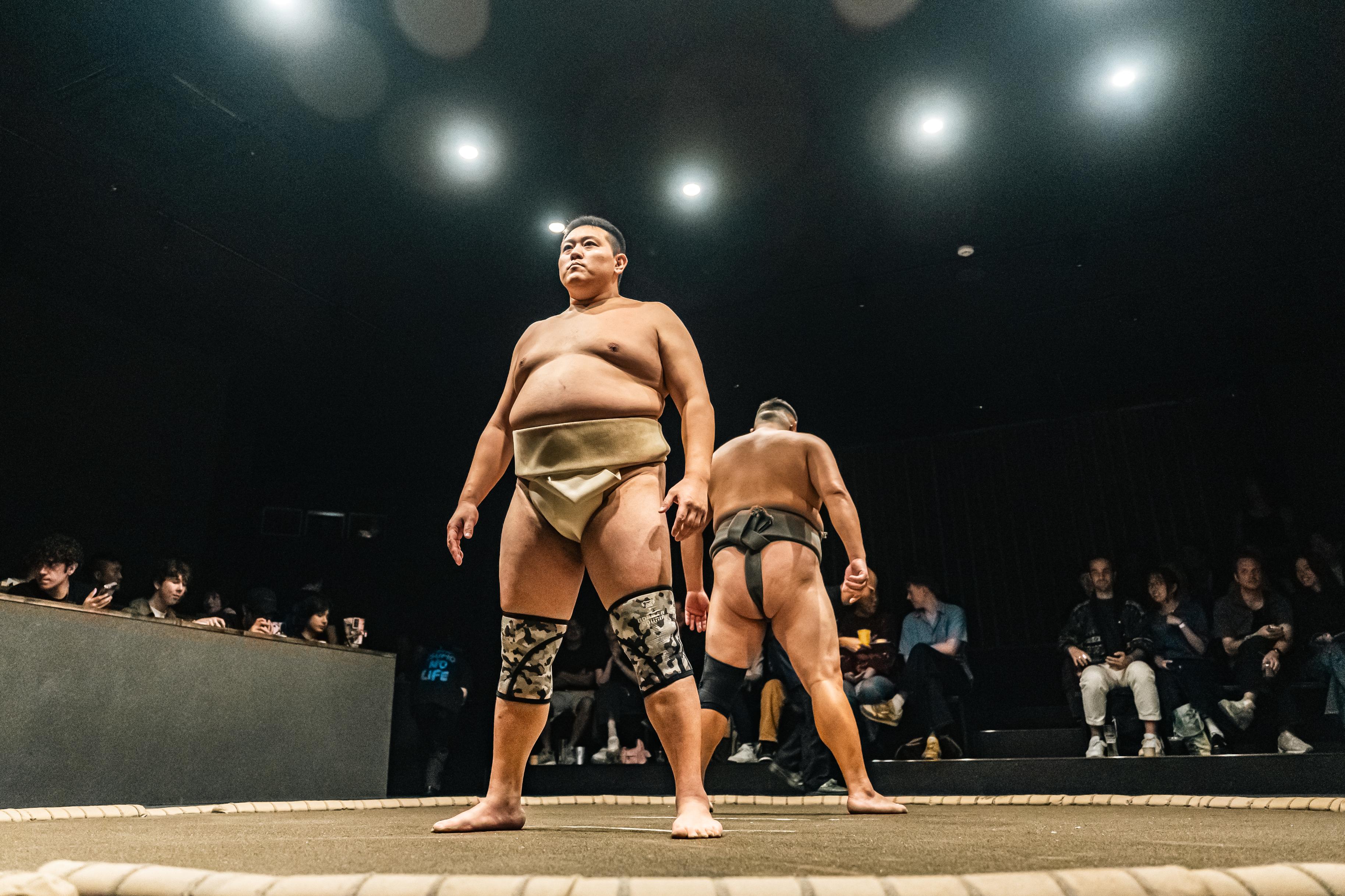
Most things on this list are things you look at. A sumo show is something you take part in.
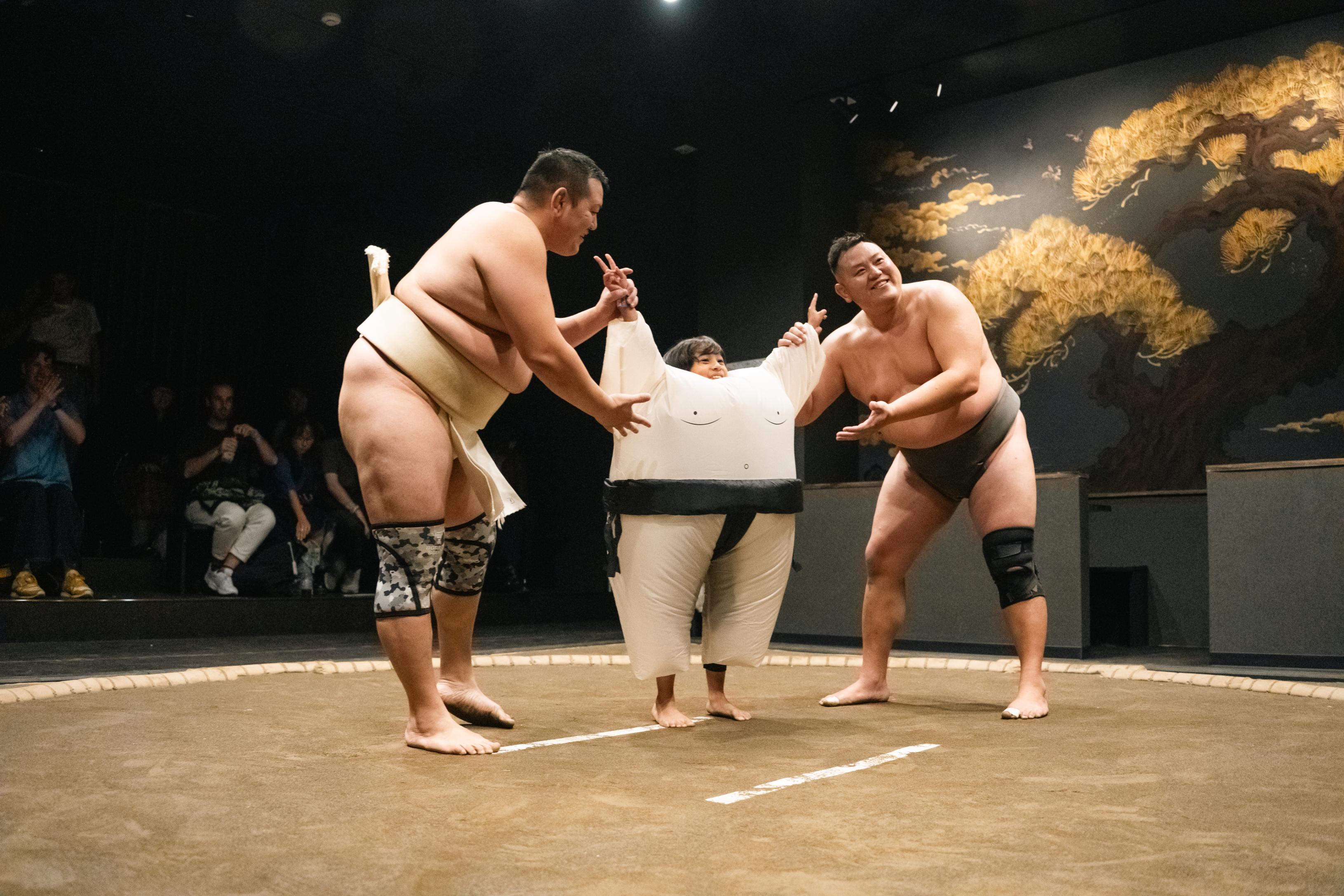
Retired professional wrestlers perform real bouts in a small ring while an English-speaking host explains the history, the rituals and the rules. Guests can join the Sumo Challenge and face a wrestler, then take photos with the wrestlers afterwards. A show runs about 90 minutes and costs ¥10,000 per adult, with one drink included (checked Nov 2026).
Shinjuku has two venues, which is useful when one is full:
- Shinjuku Sumo Club, open 9:30 to 22:30 with last entry at 20:00, near Shin-Okubo and Higashi-Shinjuku stations.
- Shinjuku Kabukicho Sumo Club, with four shows a day from 13:00 and the last at 20:30, near Shin-Okubo Station.
Our guide to the best sumo shows in Tokyo compares both with our Shibuya venue, and the booking guide covers times, prices and same-day seats.
A One-Day Plan
Build the day west to east, because the west side opens earlier and the east side wakes up late.
- Morning: the free observation decks, then walk east to Shinjuku Gyoen.
- Midday: lunch near the station, where the department store basements are quicker than the restaurant floors.
- Afternoon: a sumo show. The 15:00 slot leaves the evening open.
- Early evening: Omoide Yokocho for yakitori, from about 17:00.
- Night: Golden Gai, from 19:00 or 20:00, unless it is Sunday.
If you would rather make something with your hands, ENNE Ring Studio Shinjuku is a 5-minute walk from JR Okubo Station and takes about an hour. You choose a vintage coin and shape it into a ring.
Getting There
Shinjuku Station handles more than two million passengers a day, which makes it the busiest railway station in the world and a genuinely confusing place to arrive. Note your exit before you set off: the west exit for the towers, the east exit for the alleys.
Shin-Okubo and Higashi-Shinjuku stations are closer to both sumo venues than Shinjuku Station is. Your booking confirmation has the exact address.
Conclusion
Things to do in Shinjuku split neatly by side and by hour: views and a garden in the morning, a show in the afternoon, alleys after dark. Reserve the show first, since it has fixed start times, and build the rest around it.
Frequently Asked Questions
What are the main things to do in Shinjuku?
The main stops are the free observation decks at the Tokyo Metropolitan Government Building, the gardens at Shinjuku Gyoen, the alley restaurants of Omoide Yokocho and the small bars of Golden Gai. Our two sumo shows run in the same district several times a day, hosted in English.
Is the Shinjuku observation deck free?
Yes. The Tokyo Metropolitan Government Building has an observation deck on the 45th floor of each tower, 243 metres up, and admission is free. Opening hours are 9:30 to 22:00 with last entry at 21:30, as checked in November 2026. It closes on occasional inspection days, so check before travelling across town.
How much does Shinjuku Gyoen cost?
Admission is ¥500. The garden opens at 9:00 and closes at 18:00, with seasonal variations that bring it forward to 16:30 in winter and back to 19:00 in summer. It is closed on Mondays, or the following day when a Monday is a public holiday, and over the new year period.
How long do you need in Shinjuku?
A full day covers both sides comfortably. Half a day works if you pick one side: the towers and the garden in the morning, or the alleys and bars in the evening. Adding a 90-minute sumo show in the afternoon is what links the two halves together without rushing either.
Can I see sumo in Shinjuku?
Yes. We run two venues in the district, Shinjuku Sumo Club and Shinjuku Kabukicho Sumo Club. Both stage 90-minute shows with retired professional wrestlers and an English-speaking host, for ¥10,000 per adult with one drink included, as checked in November 2026. Same-day seats are often available.
What is there to do in Shinjuku at night?
Omoide Yokocho opens from about 17:00 for yakitori, ramen and soba, and Golden Gai follows from 19:00 or 20:00 with more than 200 small bars. The observation decks stay open until 22:00, with last entry at 21:30. Our Shinjuku Kabukicho venue runs a 20:30 show.
What is there to do in Shinjuku on a rainy day?
A sumo show runs whatever the weather, and the observation decks are indoors, though the view suffers. The station's department stores and underground passages let you shop and eat without going outside, and Omoide Yokocho's alleys are narrow enough that an umbrella is barely needed.
Which station should I use for Shinjuku?
Shinjuku Station serves most of the district, with the west exit for the towers and the east exit for the alleys. It is the busiest station in the world, handling more than two million passengers a day. Shin-Okubo and Higashi-Shinjuku are closer to both of our sumo venues.
Venue and Booking Details
- Shinjuku Sumo Club: Sekisaku Building 2F, 2-5-22 Okubo, Shinjuku-ku, Tokyo · 9:30–22:30 (last entry 20:00) · near Shin-Okubo and Higashi-Shinjuku stations
- Shinjuku Kabukicho Sumo Club: K-SQUARE 1F, 1-8-4 Okubo, Shinjuku-ku, Tokyo · near Shin-Okubo Station
- Shibuya Sumo Club: Daiichi Silver Building, 5-20-11 Sendagaya, Shibuya-ku, Tokyo · 9:00–21:00 · 1-minute walk from JR Yoyogi Station
- Shows: about 90 minutes · hosted in English · one drink included · same-day seats often available
- Book: travelingjapan.com/brands/sumo-show