
Best Shrines and Temples in Tokyo: Senso-ji, Meiji Shrine and How to Add Context
Published 15 Nov 2026
Short answer: The best shrines and temples in Tokyo to start with are Senso-ji in Asakusa (founded in 628, free, always open) and Meiji Shrine in Harajuku (free grounds, forest approach). Add a guided walk at ¥2,000 to ¥3,000 for context.
Tokyo has many shrines and temples, but a first visit works best with two or three. Choose places that are easy to reach and free, then add a guide or a workshop so the visit has a point. This guide gives the short list.
In this guide
- Senso-ji
- Meiji Shrine
- Adding Context With a Guide
- Connecting It to Sumo
- Visiting Respectfully
- Frequently asked questions
- Venue and booking details
The Best Shrines and Temples in Tokyo at a Glance
Place | Area | Cost | Notes |
|---|---|---|---|
Senso-ji | Asakusa | Free | Founded in 628; always open; main hall opens 6:30 from October to March |
Meiji Shrine | Harajuku | Free grounds | Long forest approach |
Guided walks run at Meiji Jingu and in Asakusa, ¥2,000 to ¥3,000. Details checked November 2026.
Senso-ji
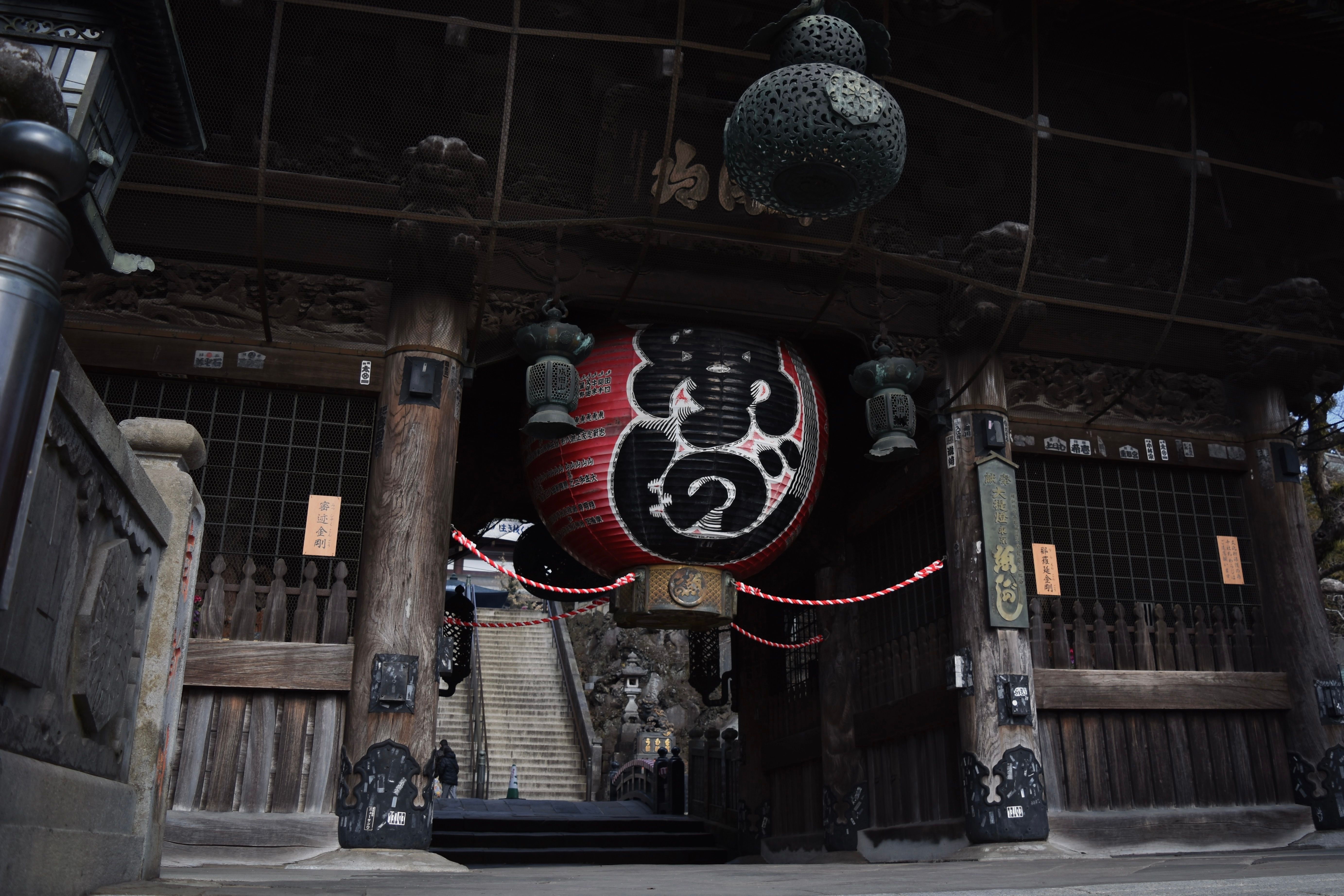
Senso-ji in Asakusa was founded in 628. It is always open and free, with the main hall opening at 6:30 from October to March. Go early. See our best things to do in Asakusa guide for what to add.
Meiji Shrine
Meiji Shrine in Harajuku is reached by a long forest approach, and the grounds are free. It feels quieter than the surrounding streets. A guided walk at Meiji Jingu is ¥2,000 to ¥3,000.
Adding Context With a Guide
Walking tours at ¥2,000 to ¥3,000 run in Asakusa, around the Imperial Palace, at Meiji Jingu and in Tsukiji. A guide explains what you see, which makes the visit feel substantial.
Connecting It to Sumo
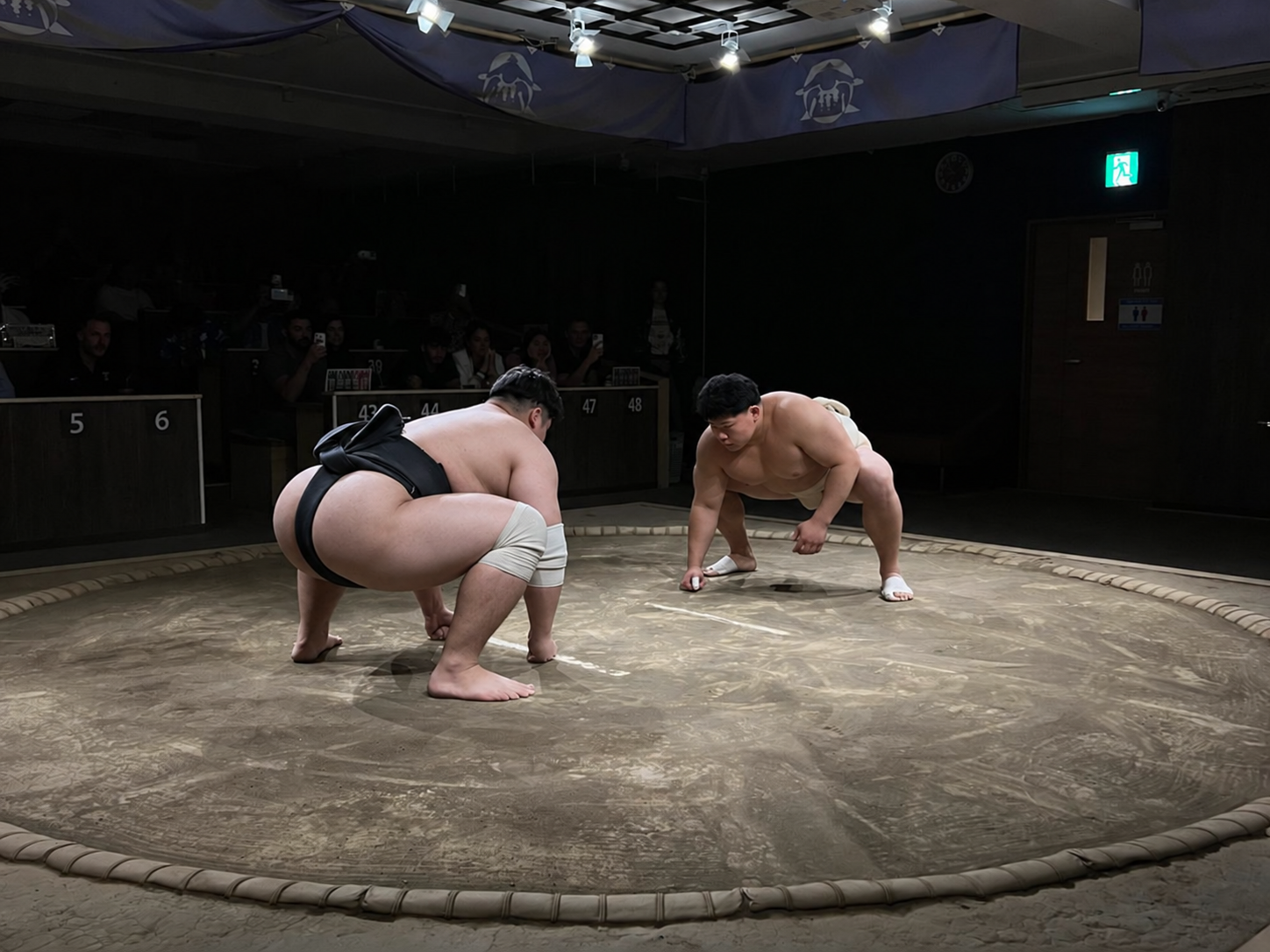
Sumo has Shinto roots, and rituals such as salt-throwing and the ring-entering ceremony are still part of it. A sumo show (about 90 minutes, ¥10,000) explains them in English. See our history of sumo guide.
Visiting Respectfully
Keep voices low, follow the signs and ask before photographing people. Dress comfortably and expect to walk.
Conclusion
The best shrines and temples in Tokyo to begin with are Senso-ji and Meiji Shrine. Both are free, easy to reach and worth adding a guide to. Pair a visit with a sumo show to see the ritual side of Japanese culture.
Frequently Asked Questions
What are the best shrines and temples in Tokyo?
Senso-ji in Asakusa and Meiji Shrine in Harajuku are the two we recommend first. Both are free to enter, easy to reach and quite different in feel: Senso-ji is lively, Meiji Shrine is calm. Details were checked in November 2026.
Is Senso-ji free to visit?
Yes. Senso-ji is free and always open, and the main hall opens at 6:30 from October to March. It was founded in 628. Go early for a quieter visit and pair it with a walking tour or workshop for more context.
Is Meiji Shrine free?
The grounds are free, and the shrine is reached by a long forest approach in Harajuku. A guided walk at Meiji Jingu costs ¥2,000 to ¥3,000, as checked in November 2026. Check the booking page for times before you go.
Should I take a guided tour of Tokyo temples?
A guide is worth it if you want context. Walking tours cost ¥2,000 to ¥3,000 and run in Asakusa, around the Imperial Palace, at Meiji Jingu and in Tsukiji. They explain what you see, so the visit feels fuller than a photo stop.
How do temples and shrines relate to sumo?
Sumo has Shinto roots, and rituals such as salt-throwing and the ring-entering ceremony are still part of it. A hosted sumo show explains these in English as the bouts happen, so you see a living tradition, not a staged act.
How much time do I need for Tokyo shrines and temples?
Allow about half a day for each of Senso-ji and Meiji Shrine if you add a tour or workshop, or an hour or two for a simple visit. Keep each day to one area to avoid long train rides between them.
Venue and Booking Details
- Shinjuku Sumo Club: Sekisaku Building 2F, 2-5-22 Okubo, Shinjuku-ku, Tokyo · 9:30–22:30 (last entry 20:00) · near Shin-Okubo and Higashi-Shinjuku stations
- Shinjuku Kabukicho Sumo Club: K-SQUARE 1F, 1-8-4 Okubo, Shinjuku-ku, Tokyo · near Shin-Okubo Station
- Shibuya Sumo Club: Daiichi Silver Building, 5-20-11 Sendagaya, Shibuya-ku, Tokyo · 9:00–21:00 · 1-minute walk from JR Yoyogi Station
- Shows: about 90 minutes · hosted in English · one drink included · same-day seats often available
- Book: travelingjapan.com/brands/sumo-show