
What Is a Yokozuna? Sumo's Highest Rank Explained
Short answer:
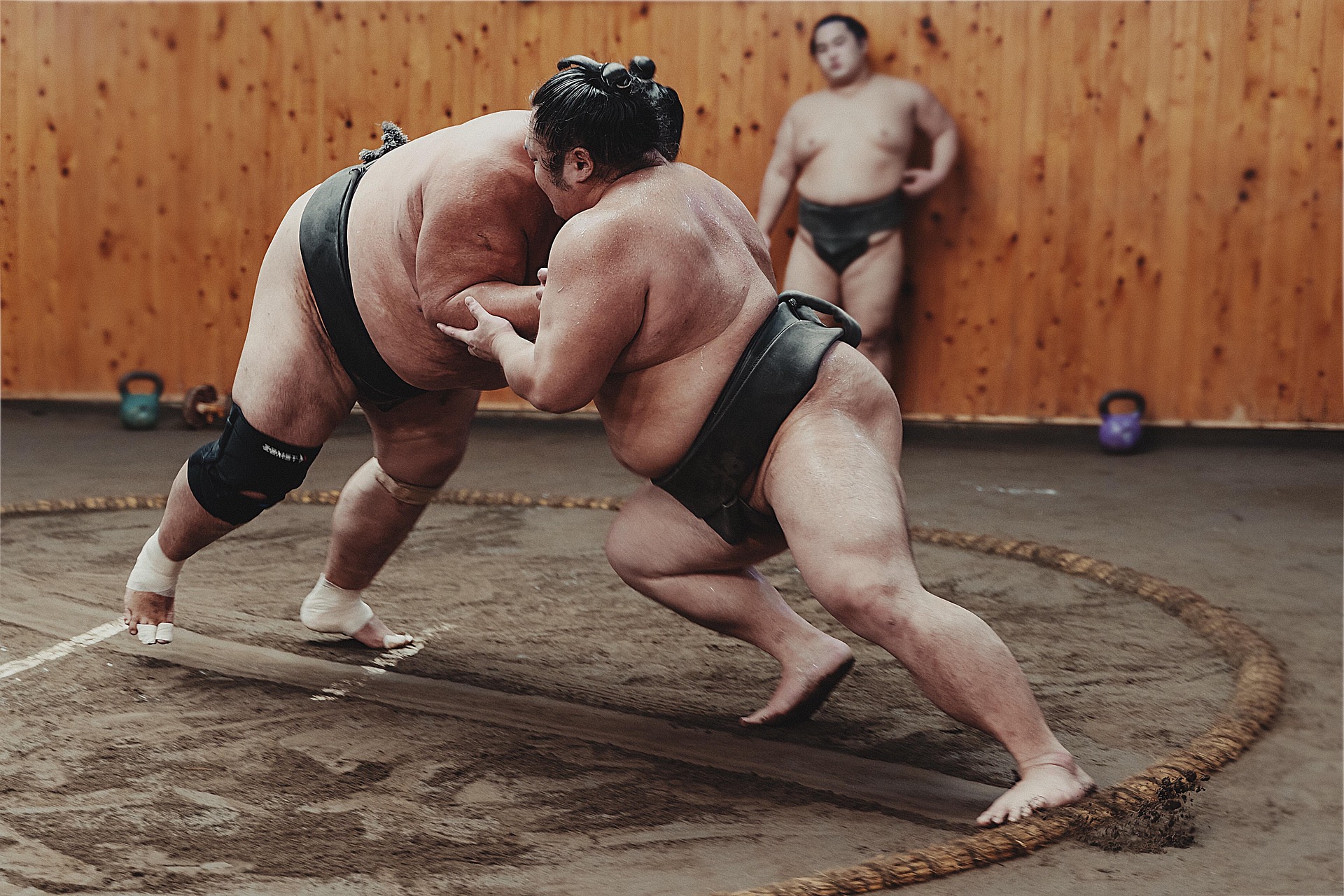
A yokozuna (横綱) is the highest rank in professional sumo, usually translated as "grand champion." The name means "horizontal rope," after the sacred rope the wrestler wears at ceremonies. A yokozuna is normally promoted after winning two consecutive tournaments as an ozeki, and unlike every other rank, a yokozuna cannot be demoted. A poor run is expected to end in retirement.
The yokozuna is the figure most people picture when they think of sumo, and it is also the rank that comes with the most rules, rituals and expectations. This guide explains what the title means, how a wrestler earns it, why it cannot be lost, and what a yokozuna does at a tournament. Each claim is tied to a source listed at the end.
In this guide
- What does yokozuna mean?
- How many yokozuna have there been?
- How is a rikishi promoted to yokozuna?
- Why can't a yokozuna be demoted?
- What is the yokozuna's rope?
- What happens in the yokozuna's ring-entering ceremony?
- What is the difference between a yokozuna and an ozeki?
- Do yokozuna have to be Japanese?
- What does a yokozuna do outside the ring?
- Conclusion
- Frequently asked questions
- Sources and notes
What Does Yokozuna Mean?
Yokozuna is the top rank on the banzuke, the official ranking sheet of the Japan Sumo Association (JSA). According to Wikipedia's entry, the name means "horizontal rope" and comes from the tsuna, the rope worn around the waist. The rope resembles the shimenawa, the twisted rope used to mark sacred areas in Shinto.
The rank sits at the very top of the makuuchi division, above ozeki, sekiwake, komusubi and maegashira. The JSA's English introduction notes that about a quarter of makuuchi wrestlers hold one of the top four named ranks. A yokozuna is therefore not only the best wrestler by results. He is also, formally, a different kind of rank from those below him, as the sections below show.
For the wider system of divisions and ranks, see the guide to what a rikishi is.
How Many Yokozuna Have There Been?
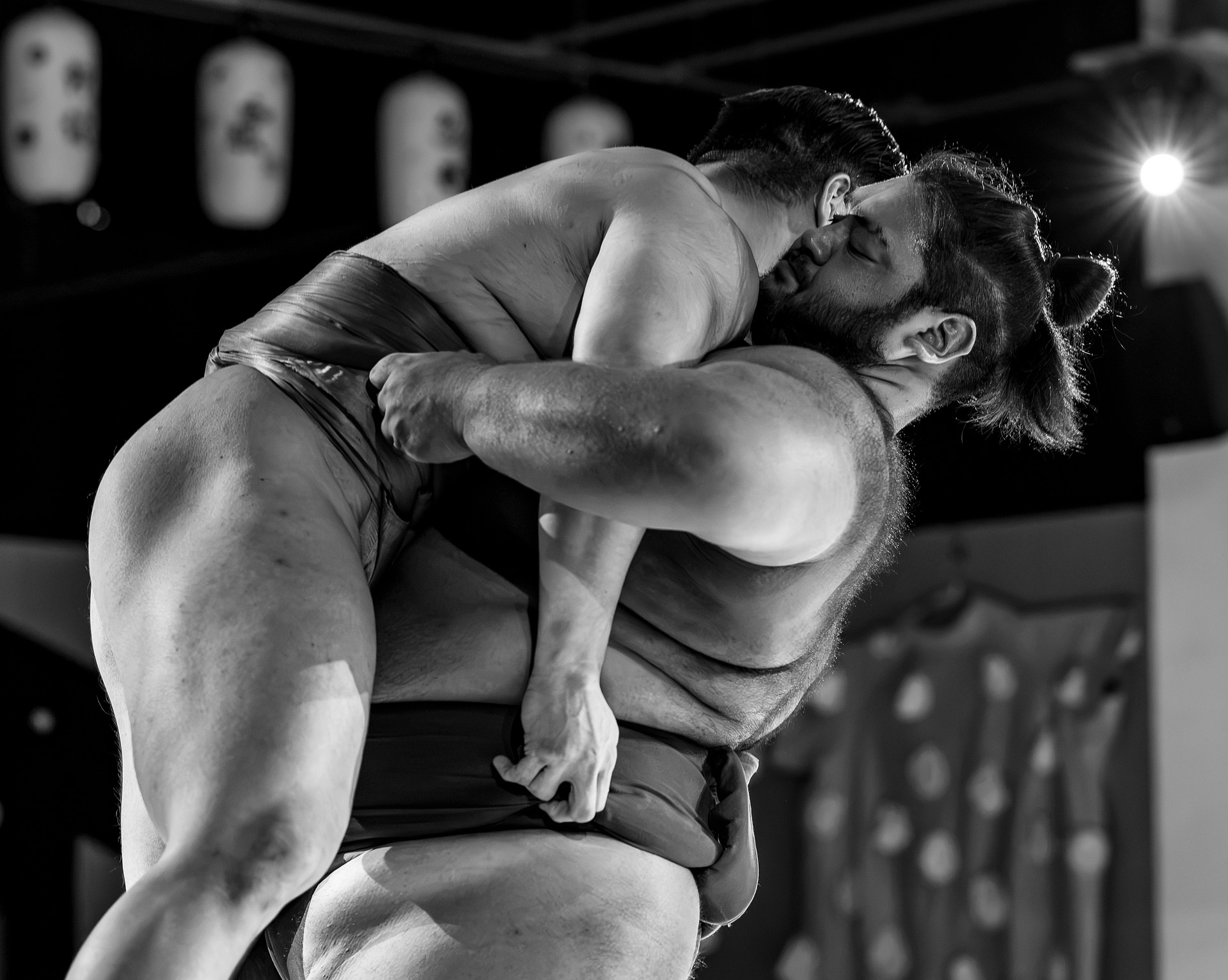
Wikipedia's list of yokozuna numbers 75 officially recognised yokozuna. The numbering includes wrestlers recognised retroactively, so it is a count of the list and not of wrestlers promoted in the modern era. The list's first entry, Akashi Shiganosuke, was awarded the title posthumously, and the dates for yokozuna 4 to 16 are licence dates, because the rank was not listed on the banzuke until 1890.
Some history from the same source:
- Formal records begin with Tanikaze Kajinosuke and Onogawa Kisaburo in 1789.
- The rank was officially recognised as the highest in February 1909.
- The JSA first promoted a yokozuna after its Yokozuna Deliberation Council was established on 21 April 1950. That wrestler was the 41st yokozuna, Chiyonoyama Masanobu.
- The most recently promoted on the list are Hoshoryu Tomokatsu (No. 74, promoted in 2025) and Onosato Daiki (No. 75, promoted in 2025).
Older sources give lower totals. The JSA's English introduction says that only 72 rikishi had reached the rank when it was written, so the figure depends on the date of the source. Check the JSA's current list before quoting a number.
How Is a Rikishi Promoted to Yokozuna?
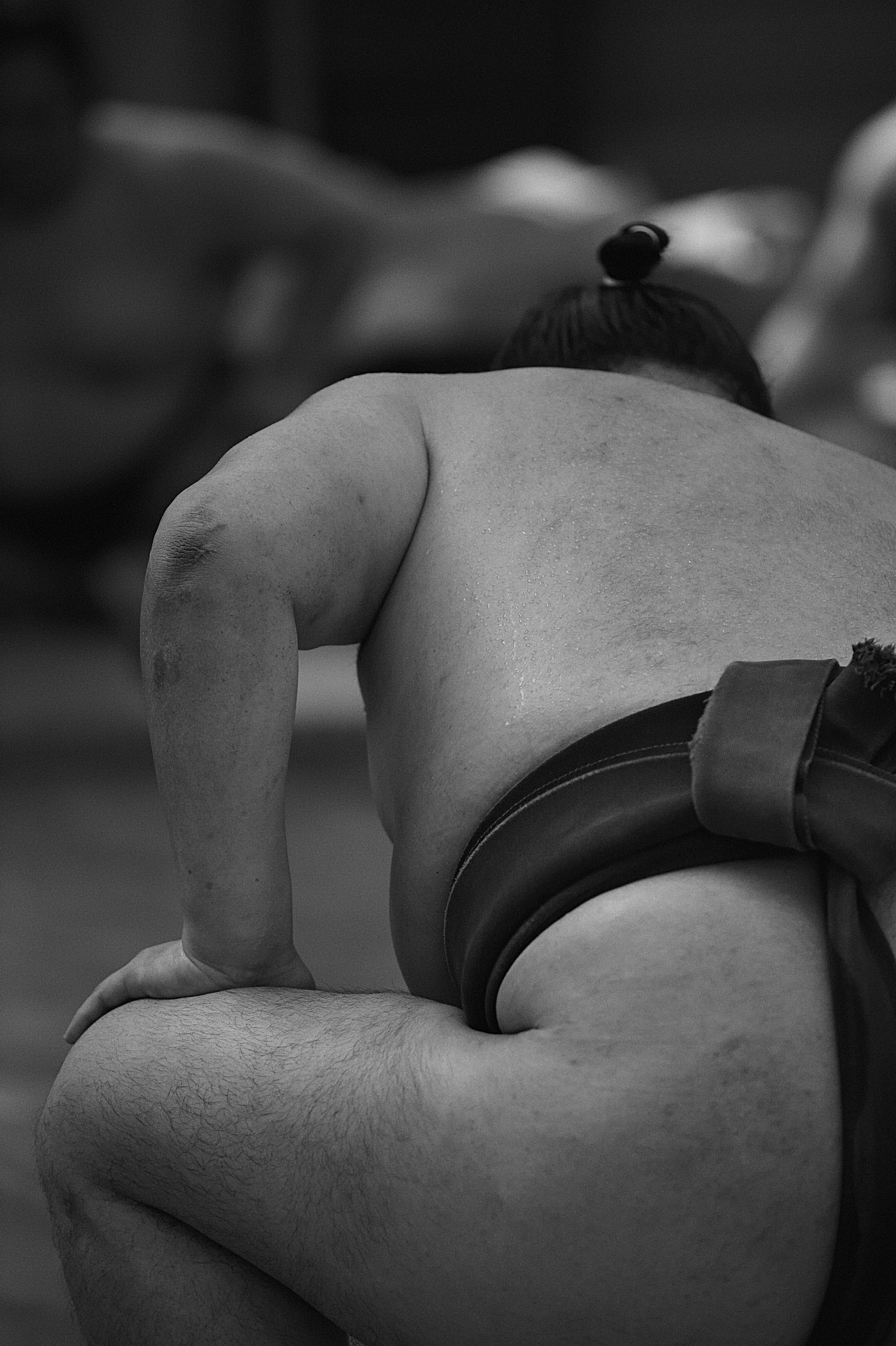
There is no single written formula, but there is a well-established standard. Wikipedia and the JSA describe it this way:
- Two consecutive championships as an ozeki, or a record regarded as equivalent.
- The "equivalent" route. The previous three tournaments must include at least one championship and one runner-up finish, with no record below 12 wins, according to Wikipedia.
- A recommendation from the Yokozuna Deliberation Council, a body of lay members. The JSA's judging division and board of directors make the final decision.
- Character as well as results. The JSA says promotion also depends on the wrestler's character. Wikipedia describes the criteria as not absolute, with power, skill and hinkaku (dignity and grace) all considered.
A nippon.com analysis shows how the standard has been applied. Before 1989, many yokozuna were promoted on "or equivalent" records without consecutive wins. From 1990 through Harumafuji, all eight yokozuna were promoted after consecutive tournament wins. Kakuryu, Kisenosato and Terunofuji were promoted on equivalent records that included one tournament win in the two most recent tournaments.
What does the Yokozuna Deliberation Council do?
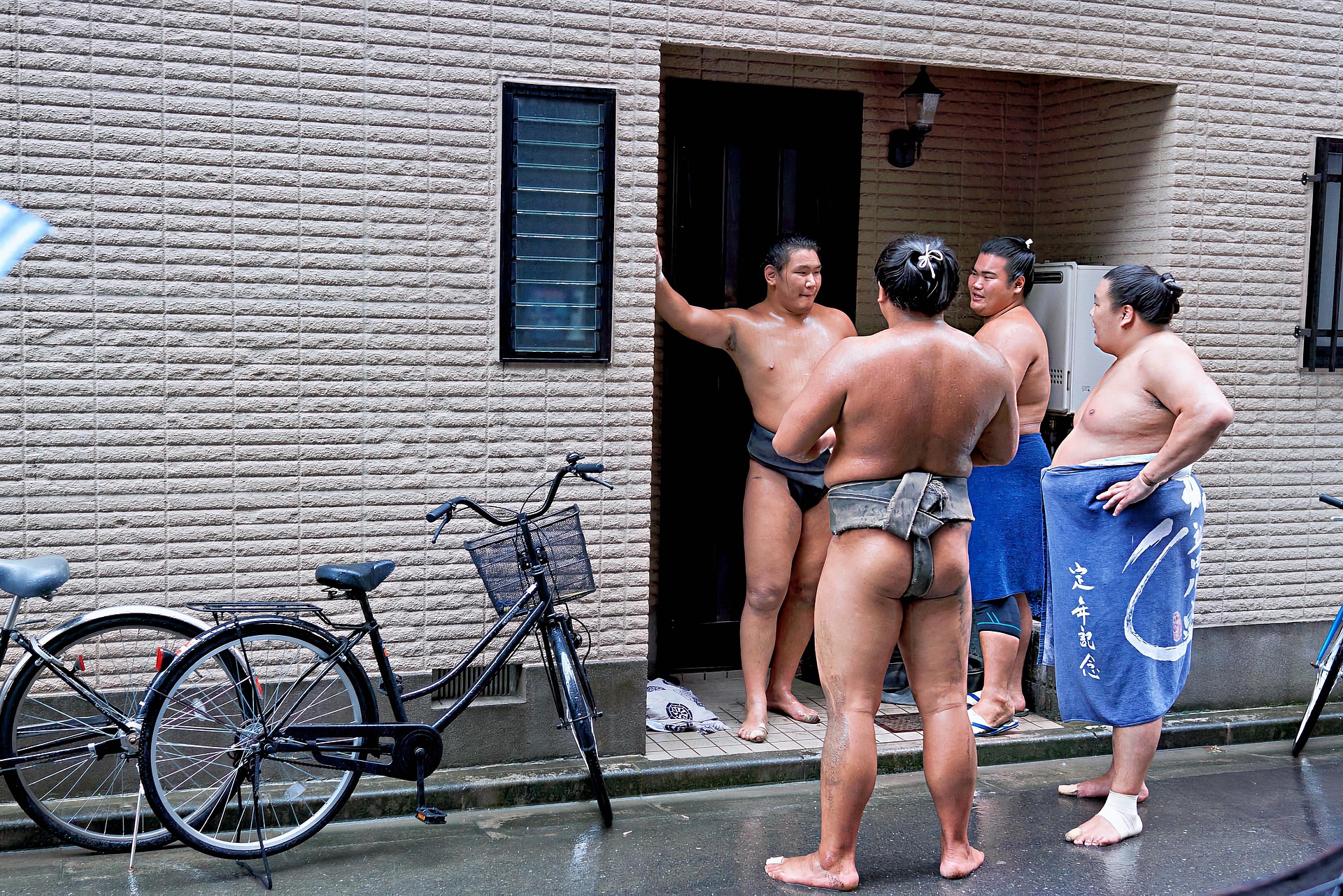
The council is made up of non-sumo members and advises the JSA on promotions. Wikipedia says it can also issue notices to a yokozuna, in increasing severity: Encouragement, Warning and Recommendation to Retire. It reports that notices have been issued three times since 1950.
A timeline of the rank
Year | Event | Source |
|---|---|---|
1789 | Formal records begin with Tanikaze Kajinosuke and Onogawa Kisaburo | Wikipedia |
1890 | The rank is first listed on the banzuke | Wikipedia |
February 1909 | The rank is officially recognised as the highest | Wikipedia |
21 April 1950 | The Yokozuna Deliberation Council is established | Wikipedia |
27 January 1993 | Akebono becomes the first foreign-born yokozuna | Wikipedia |
January 2025 | Hoshoryu is promoted as the 74th yokozuna | nippon.com, Wikipedia |
May 2025 | Onosato is promoted as the 75th | Wikipedia |
Wikipedia also records two older legends: Hajikami in the 9th century and Akashi Shiganosuke in 1630. It says there is little evidence for either, which is why the formal history starts in 1789.
Who Was Promoted Most Recently?
Two recent promotions show the standard at work.
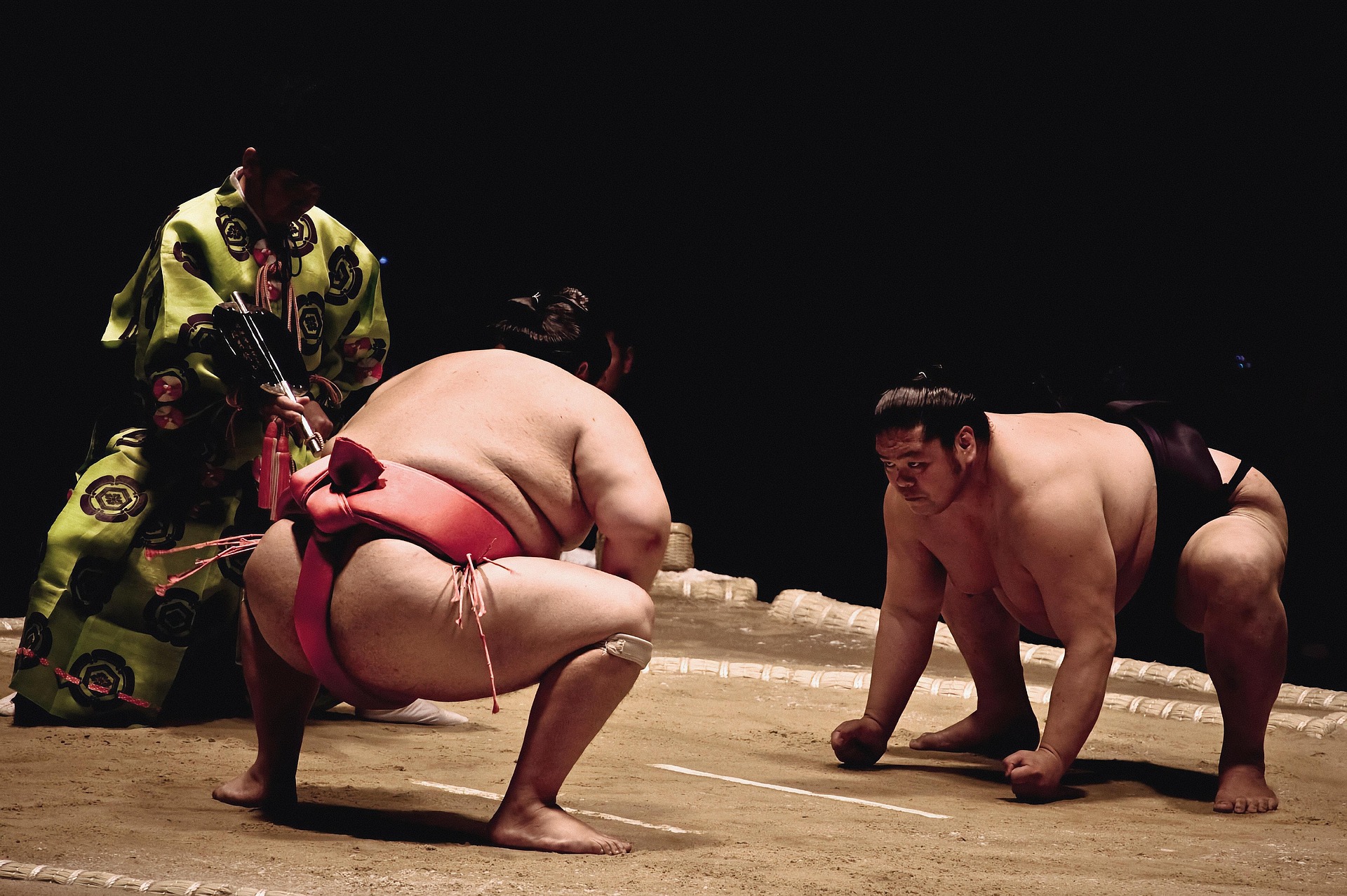
Hoshoryu (January 2025). Nippon.com's news report, written before the promotion was confirmed, said the Mongolian-born ozeki, real name Sugarragchaa Byambasuren, was likely to become the 74th yokozuna and the sixth Mongolian-born. He was 25. In the January tournament he won the top-division title with 12 wins and 3 losses, his second makuuchi championship, after a 13-2 record in November. His first title came in July 2023, after which he was promoted to ozeki. The report also says he is the nephew of former yokozuna Asashoryu, and it describes the process: the association head asks the promotion council to recommend the promotion, and the executive board then approves it.
Onosato (May 2025). Wikipedia lists him as the 75th yokozuna, promoted in May 2025. A Washington Times headline of 28 May 2025 described him as the first Japanese man to reach sumo's top rank since 2017.
Neither story changes the basic rule. Both wrestlers went through the ozeki rank first, and the decision was made by the association after a council recommendation.
Why Is the Promotion Standard Debated?
The standard is not written down as a formula, and commentators argue about how strictly it should apply. The nippon.com analysis makes several points:
- Ozeki promotion has no clear written rules either. It describes an informal standard, once 30 or more wins over three tournaments, later tightened to 33 or more. Since 1989, 29 wrestlers have been promoted to ozeki and none had fewer than 31 wins over three tournaments.
- In January 2023 the banzuke listed one yokozuna (Terunofuji) and one ozeki (Takakeisho), the first time in 125 years that only one of each was listed.
- The author argues that stricter criteria may not produce stronger champions, and that the association must decide what to do if the top ranks thin out. Options he raises include promoting a sekiwake without the usual 10 wins or leaving the ozeki slot empty.
That is one analyst's view, not the JSA's position. It is included here because it shows the rank is judged, not calculated.
Why Can't a Yokozuna Be Demoted?
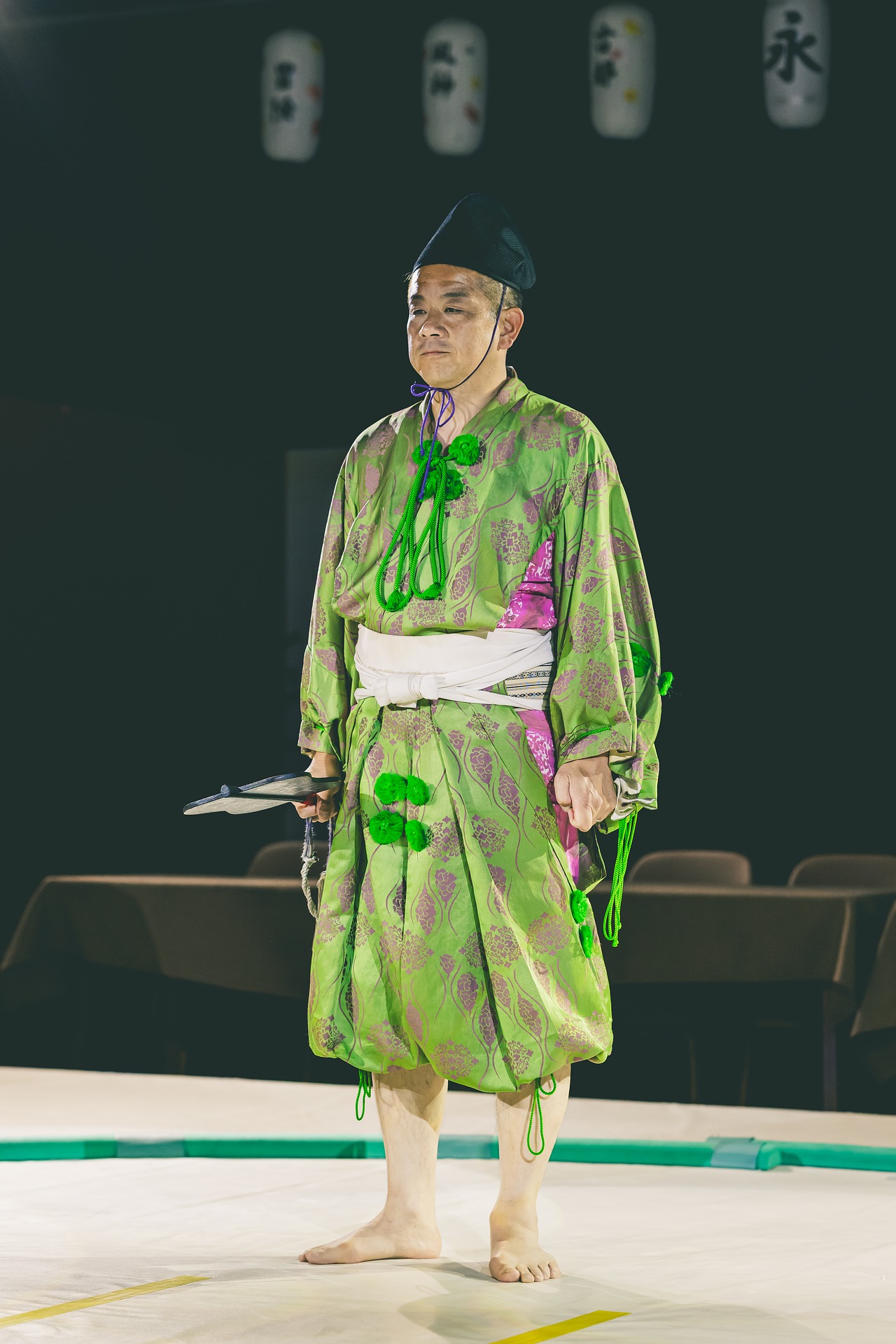
A yokozuna cannot be demoted. This is stated by the JSA, Wikipedia and nippon.com, and it is the most distinctive rule of the rank.
The consequence is a strict expectation. Wikipedia notes that a single losing record can raise concerns, and that a yokozuna who consistently cannot compete at the top level is expected to retire. The nippon.com analysis puts it plainly: retirement is the only option once a yokozuna's strength declines.
Every other rank behaves differently. Ozeki, for example, can be demoted under what is called the kadoban rule. The nippon.com article gives the example of Shodai, who was demoted after the November 2022 tournament. The yokozuna rank has no equivalent, which is why promotion is judged so carefully.
What Is the Yokozuna's Rope?
The tsuna is the rope that gives the rank its name. Details from the sources:
- Origin. It resembles the Shinto shimenawa, marking the wearer as sacred, according to Wikipedia.
- Weight. The JSA's introduction says a yokozuna's rope weighs about 11 to 15 kg. Wikipedia says up to 20 kg. The sources differ, so treat the weight as a range.
- When worn. Only during the ring-entering ceremony, not during bouts.
- Where it is made. In the wrestler's own stable after promotion, according to Wikipedia.
The rope is tied over a ceremonial apron, and the JSA notes that such aprons can cost over about 1,000,000 yen.
What Happens in the Yokozuna's Ring-Entering Ceremony?
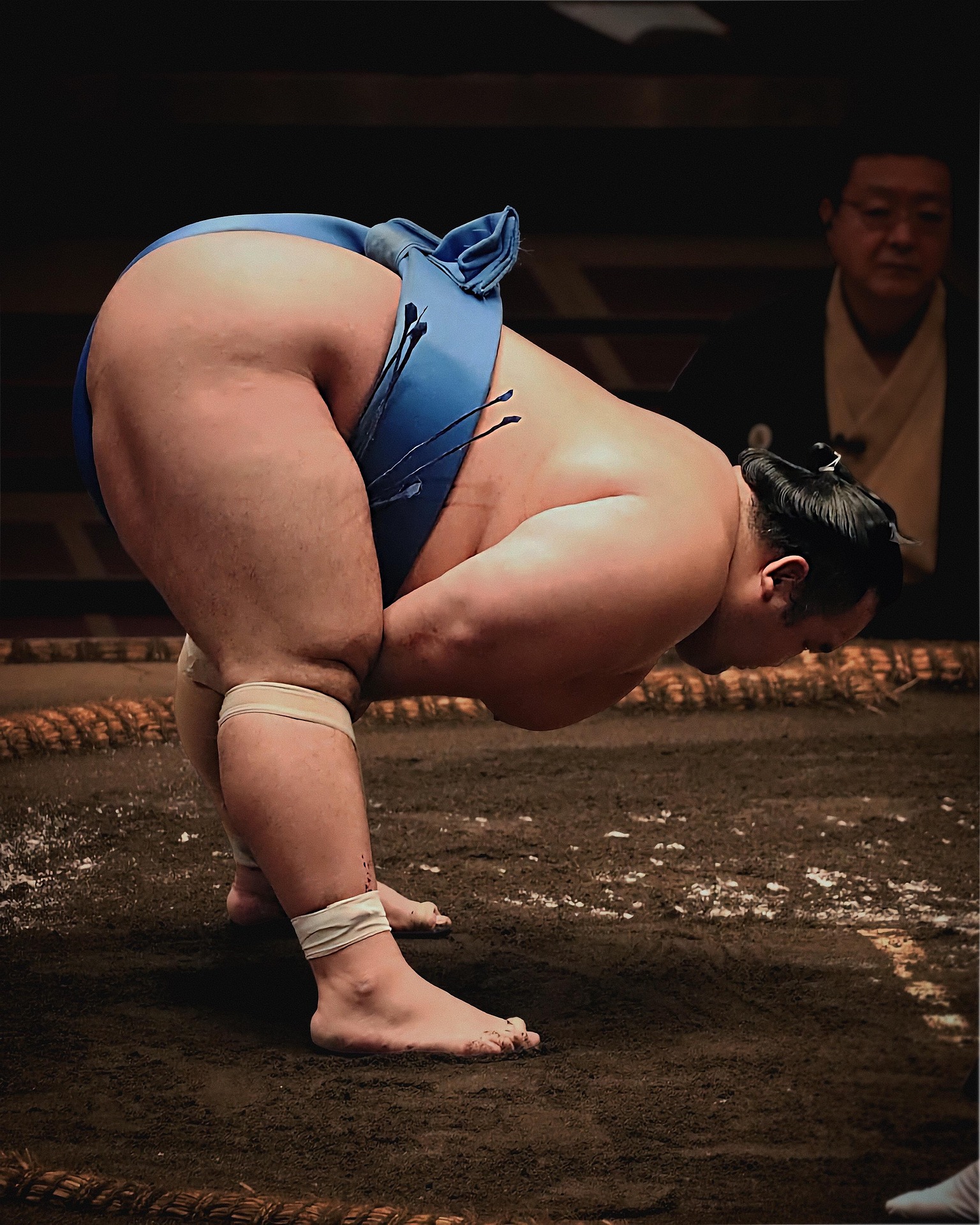
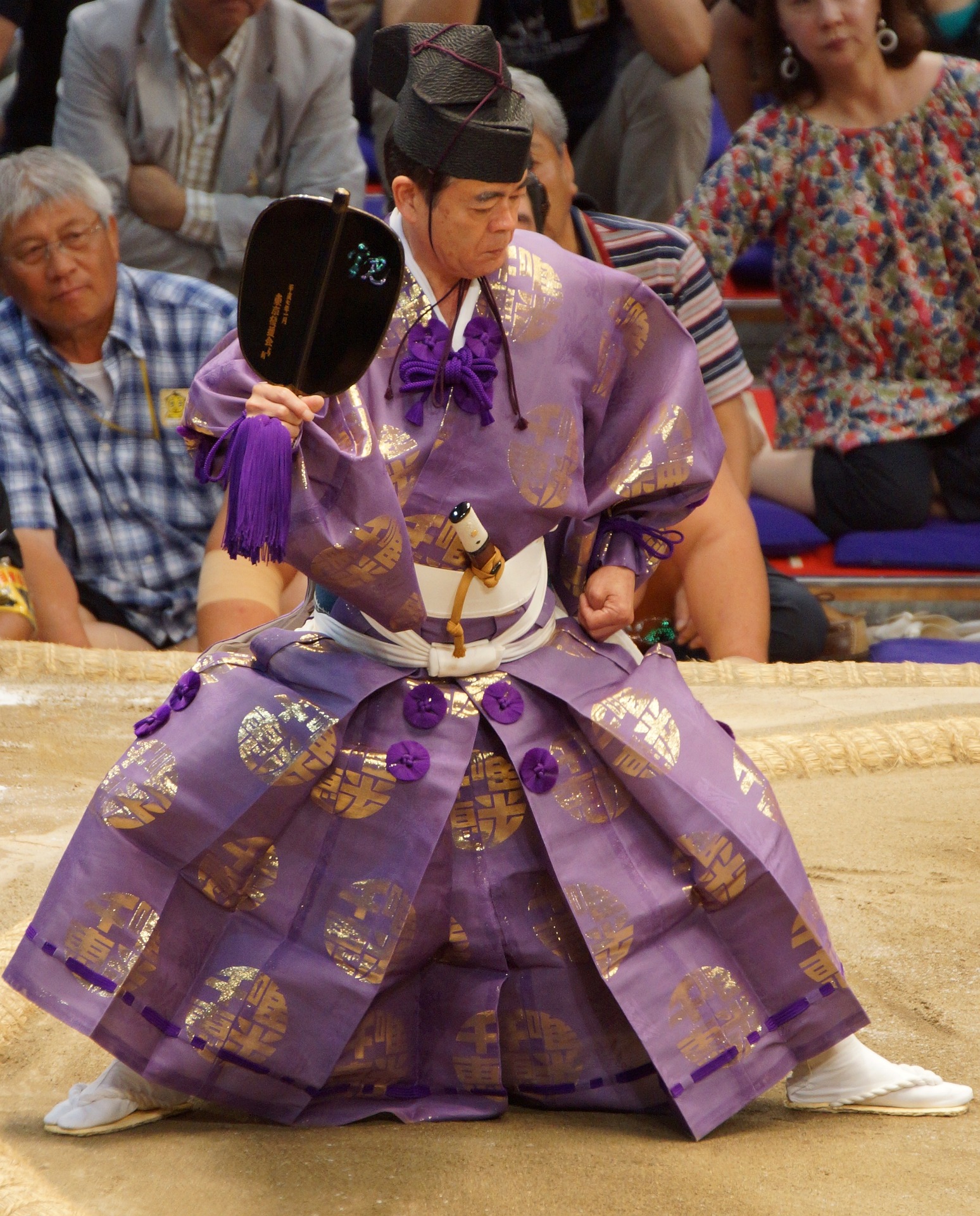
The dohyo-iri (土俵入り) is the ring-entering ceremony. The JSA says that it takes place before the makuuchi bouts and that yokozuna lead it. The details come from Wikipedia:
- The yokozuna enters after the lower-ranked wrestlers.
- A tsuyuharai (dew sweeper) walks ahead of him.
- A tachimochi (sword bearer) follows, carrying a sword that symbolises samurai status. The tachimochi is always the higher-ranked of the two attendants.
There are two styles, named after historical yokozuna:
Style | How the rope is tied | Named after |
|---|---|---|
Unryu | One loop at the back | The 10th yokozuna, Unryu Kyukichi |
Shiranui | Two loops | The 11th yokozuna, Shiranui Koemon |
A former yokozuna can perform a kanreki dohyo-iri at age 60, wearing a red rope. The first was Tachiyama in 1937, according to Wikipedia.
What Is the Difference Between a Yokozuna and an Ozeki?
Ozeki is the second-highest rank, and the gap between the two is a gap in rules as much as in results.
Yokozuna | Ozeki | |
|---|---|---|
Rank | Highest | Second-highest |
Can be demoted | No | Yes, under the kadoban rule |
Promotion | Two consecutive championships as ozeki, or equivalent, with Council recommendation | No clear written rules. Since 1989, no ozeki has been promoted with fewer than 31 wins over three tournaments |
If form declines | Expected to retire | Can fall in rank and return |
Monthly salary | 3,000,000 yen now, 3,300,000 yen from January 2027 | 2,500,000 yen now, 2,750,000 yen from January 2027 |
The promotion and demotion details come from nippon.com. The salary figures are from a July 2026 Daily Sports report on the JSA board meeting of 30 July.
Do Yokozuna Have to Be Japanese?
No. Wikipedia reports that Hawaiian-born Akebono was promoted on 27 January 1993 after eight months as an ozeki. Of the ten yokozuna promoted after him, seven were not born in Japan: Musashimaru, born in the United States, and six born in Mongolia.
The JSA does not set nationality as a condition of the rank. Promotion is judged on results and character, as described above.
What Does a Yokozuna Do Outside the Ring?
The role carries responsibilities beyond fighting. Wikipedia lists several:
- Senior yokozuna and ozeki are expected to represent the wrestlers' views to the association, help promote events and meet sponsors.
- Yokozuna flank the association president during opening and closing speeches.
- They receive higher salaries and have more junior wrestlers to assist them.
This is part of why the rank is treated as a status as well as a result.
Conclusion
A yokozuna is more than the winner of a tournament. The rank combines a demanding promotion standard, a rope that marks the wearer as sacred, a set of ceremonies and the rule that it can only end in retirement. If you want to see the ring-entering ceremony in person, a Grand Tournament is where it takes place in full, and the guide to honbasho, jungyo and sumo shows explains how the formats differ.
Frequently Asked Questions
Is yokozuna the same as a sumo champion?
Not exactly. A tournament champion is whoever wins a given 15-day tournament, and any rank can win. A yokozuna is a rank held between tournaments, awarded after sustained results, and it does not depend on winning any single event.
How long can a yokozuna stay at the top?
There is no fixed term. A yokozuna cannot be demoted, so he keeps the rank until he retires. Expectations are high, and a run of poor results is expected to lead to retirement.
Who was the first yokozuna?
Wikipedia's list numbers Akashi Shiganosuke as the first, awarded the title posthumously, but says there is little evidence for the early legends. Formal records begin with Tanikaze Kajinosuke and Onogawa Kisaburo in 1789.
Can there be more than one yokozuna at once?
Yes. Sources describe periods with several yokozuna on the banzuke, and nippon.com notes a January 2023 banzuke with only one, the first time in 125 years that only one yokozuna and one ozeki were listed.
What does a yokozuna earn?
A July 2026 Daily Sports report gives a monthly salary of 3,000,000 yen, rising to 3,300,000 yen from January 2027. The makuuchi championship prize is also set to double to 20,000,000 yen.
What is a kanreki dohyo-iri?
A ceremony performed by a former yokozuna at age 60, wearing a red rope. Wikipedia says the first was Tachiyama in 1937.
Does a yokozuna wear the rope during a bout?
No. The rope is worn only for the ring-entering ceremony, according to Wikipedia. During bouts he wears the same mawashi belt as other wrestlers.
Sources
- Japan Sumo Association. Sumo: An Introduction (English PDF). Ranks, rope weight, promotion and character, ring-entering ceremony.
- Wikipedia. Yokozuna. Name, history, promotion criteria, council notices, ceremonies, duties, foreign-born yokozuna. Secondary source.
- Wikipedia. List of yokozuna. Count of 75, numbering, recent promotions. Secondary source.
- nippon.com. New Promotion Criteria Needed to Keep Top Sumo Ranks Robust. Application of the promotion standard, ozeki rules, January 2023 banzuke.
- Daily Sports Online. Salary and prize revision, 31 July 2026. Yokozuna and ozeki salaries, championship prize.