
Sumo Ranks Explained: The Six Divisions, From Jonokuchi to Yokozuna
Published 9 Nov 2026
Disclosure: Mediabound, the company behind this site, operates Shinjuku Sumo Club, Shinjuku Kabukicho Sumo Club and Shibuya Sumo Club, the sumo shows mentioned below.
Short answer: Sumo ranks run through six divisions. From the top: makuuchi (42 wrestlers), juryo (28), makushita (120), sandanme (160), jonidan and jonokuchi. Only the top two divisions earn a salary. Within makuuchi, the four titled ranks are yokozuna, ozeki, sekiwake and komusubi, and everyone else is a numbered maegashira.
Sumo looks simple until someone mentions a komusubi. This guide sets out the sumo ranks in order, explains who gets paid, and shows how a win record moves a wrestler up or down the list.
In this guide
- Sumo ranks at a glance
- The six divisions
- The titled ranks in makuuchi
- Sekitori: who gets paid
- How promotion works
- Where to see the ranks in action
- Frequently asked questions
- Venue and booking details
Sumo Ranks at a Glance
The figures below come from the professional sumo divisions reference on Wikipedia.
Division | Position | Wrestlers | Salary |
|---|---|---|---|
Makuuchi | Top | Fixed at 42 | Yes |
Juryo | Second | Fixed at 28 | Yes |
Makushita | Third | 120 | No |
Sandanme | Fourth | 160 | No |
Jonidan | Fifth | No fixed number, commonly 200 to 250 | No |
Jonokuchi | Lowest | Typically 40 to 90 | No |
Two things stand out. The top two divisions are capped, so a promotion into them requires someone else to drop out. And the pyramid is wide at the bottom: more wrestlers sit in sandanme alone than in the two paid divisions combined.
The Six Divisions
Every professional starts at the bottom and works up. A wrestler joins a stable, enters at jonokuchi and climbs by winning.
- Jonokuchi is the entry division, and the smallest.
- Jonidan is the largest, and where most careers are spent.
- Sandanme and makushita are the proving grounds. Makushita is the last unpaid step, which makes it the hardest one to leave.
- Juryo is the first salaried division, and the point at which a wrestler becomes a professional in the full sense.
- Makuuchi is the top division, and the one televised.
How often a wrestler fights depends on the division. Makuuchi and juryo wrestlers compete once a day through a tournament. Lower-division wrestlers fight seven times in total.
The Titled Ranks in Makuuchi
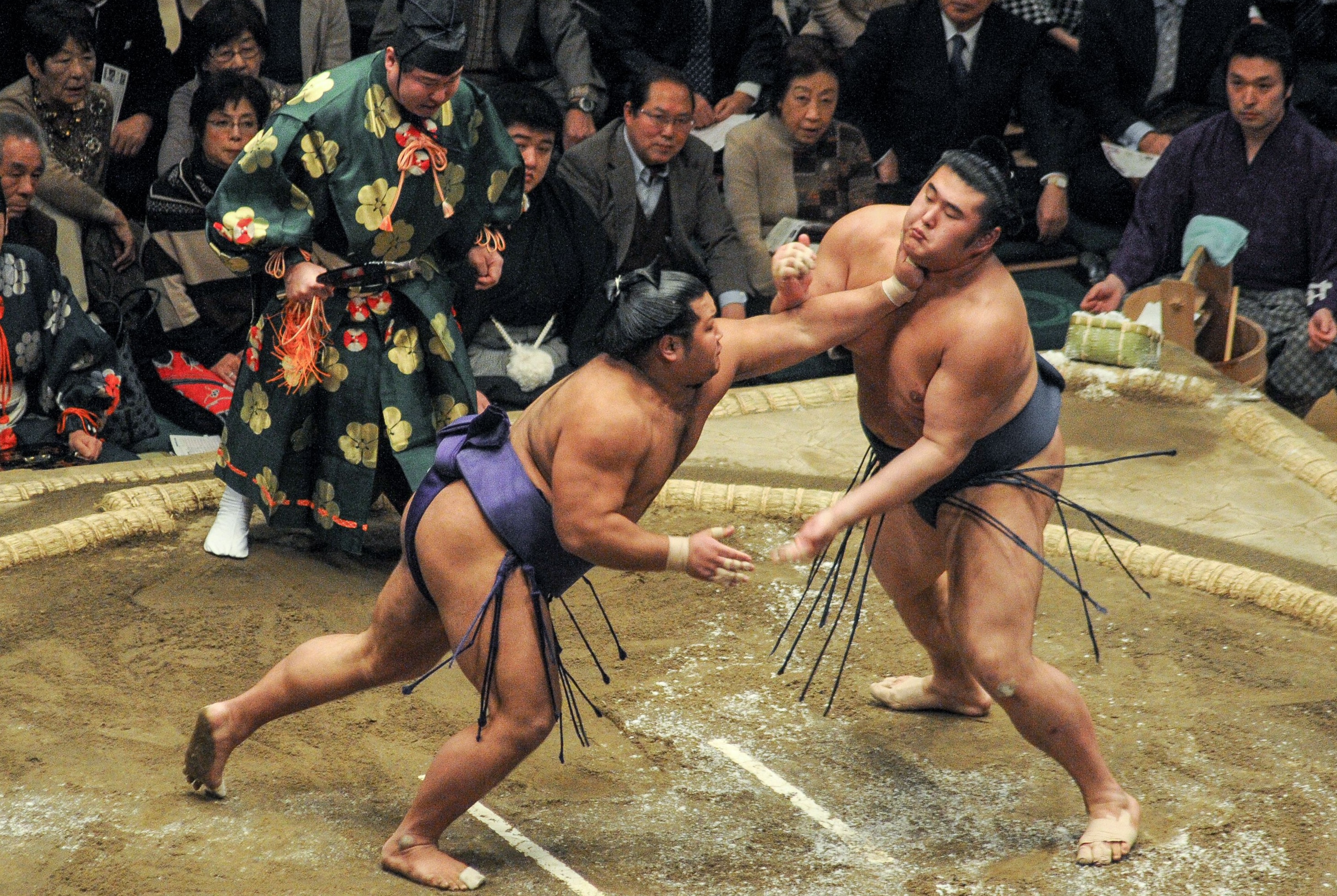
Inside the top division, four ranks carry titles. Together they are called san'yaku, and usually 8 to 12 wrestlers hold them.
Rank | What it means |
|---|---|
Yokozuna | Grand champion, the highest rank, and never demoted |
Ozeki | Champion, the second rank, with its own promotion standards |
Sekiwake | Third rank, the senior of the two junior titles |
Komusubi | Fourth rank, the first rung of san'yaku |
Everyone else in makuuchi is a maegashira, numbered from 1 downwards. A maegashira 1 faces the titled wrestlers daily; a maegashira 17 faces the bottom of the division.
Yokozuna is the rank people recognise, and it works differently from the rest. A yokozuna cannot be demoted, so a yokozuna who can no longer win is expected to retire instead.
Sekitori: Who Gets Paid
Sekitori is the word for a wrestler in makuuchi or juryo, and it marks the real dividing line in the sport. Sekitori are fully salaried professionals. Below them, wrestlers receive an allowance rather than a salary, and do chores in the stable for the senior wrestlers.
That gap explains why promotion out of makushita matters so much. It is not simply a better rank. It changes a wrestler's income, duties and status inside the stable.
How Promotion Works
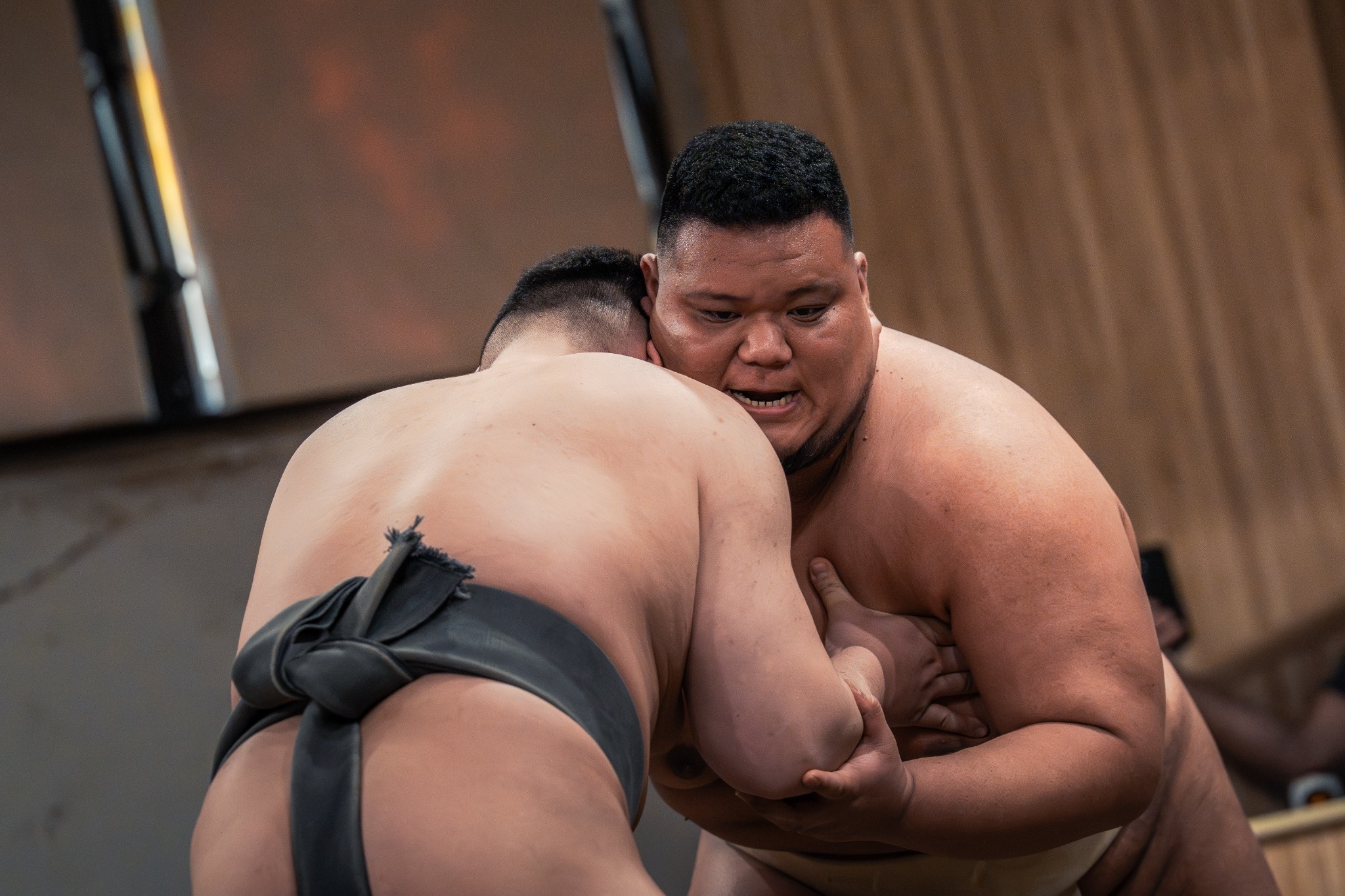
Rankings are published on a sheet called the banzuke before each tournament, and tournament results alone decide what it says.
- Win a majority. A winning record across the tournament is called kachi-koshi, and it normally earns promotion for the next one.
- Lose a majority. A losing record, make-koshi, normally means demotion.
- Move by division. How far a wrestler moves depends on the record and the division, not on reputation.
- Break a tie. When wrestlers finish level on the final day, a playoff decides the tournament winner.
There are no points carried over and no seedings. Each tournament resets the question.
Where to See the Ranks in Action
Grand tournaments are where the banzuke is settled, and they run in Tokyo in January, May and September. Our guide to the sumo tournament schedule has the full calendar.
Outside those dates, our Tokyo shows run several times a day. Retired professional wrestlers perform real bouts in a small ring while an English-speaking host explains the ranks, the rituals and the rules. A show lasts about 90 minutes and costs ¥10,000 per adult, with one drink included (checked Nov 2026). Our guide to the best sumo shows in Tokyo compares the three venues.
Conclusion
Sumo ranks are a ladder with a hard rung in the middle. Six divisions, two of them paid, four titled ranks at the top, and a win record that decides everything each tournament. Once you know the order, a bout card reads very differently.
Frequently Asked Questions
What are the sumo ranks in order?
From the top down, the six divisions are makuuchi, juryo, makushita, sandanme, jonidan and jonokuchi. Inside makuuchi, the titled ranks are yokozuna, ozeki, sekiwake and komusubi, and the remaining wrestlers are maegashira, numbered from 1 downwards. Every professional starts at jonokuchi and climbs by winning.
What does yokozuna mean?
Yokozuna is the highest rank in sumo, usually translated as grand champion. Unlike every other rank, a yokozuna cannot be demoted for a poor record, so a yokozuna who can no longer compete at that level is expected to retire rather than slide down the rankings. Promotion to it is rare.
How many wrestlers are in the top division?
Makuuchi is fixed at 42 wrestlers and juryo at 28. Because both numbers are capped, a promotion into either division requires someone else to leave it. The lower divisions are far larger: makushita holds 120 wrestlers, sandanme 160, and jonidan commonly between 200 and 250.
What is a sekitori?
Sekitori is the term for a wrestler in the makuuchi or juryo divisions. Sekitori are fully salaried professionals. Wrestlers in the four divisions below receive an allowance instead of a salary and carry out chores in the stable, which is why promotion into juryo is treated as the real breakthrough in a career.
What is a banzuke?
The banzuke is the ranking sheet published before each tournament, written in traditional calligraphy with the highest ranks in the largest characters. It lists every wrestler in every division. Tournament results alone determine what it says, so each sheet reflects how wrestlers performed in the tournament immediately before it.
How does a sumo wrestler get promoted?
By winning more bouts than they lose. A winning record in a tournament is called kachi-koshi and normally earns promotion for the next one, while a losing record normally means demotion. How far a wrestler moves depends on the record and the division. Nothing carries over between tournaments.
How many bouts does a wrestler fight in a tournament?
It depends on the division. Makuuchi and juryo wrestlers fight once a day through the tournament. Wrestlers in the four lower divisions fight seven times in total. If two wrestlers finish level at the top on the final day, a playoff decides the tournament winner.
Can I see ranked wrestlers at a sumo show in Tokyo?
Our shows feature retired professional wrestlers rather than currently ranked ones, with an English-speaking host explaining the ranks and rituals. Active wrestlers compete at the grand tournaments, which run in Tokyo in January, May and September. Shows cost ¥10,000 per adult with one drink included, as checked in November 2026.
Venue and Booking Details
- Shinjuku Sumo Club: Sekisaku Building 2F, 2-5-22 Okubo, Shinjuku-ku, Tokyo · 9:30–22:30 (last entry 20:00) · near Shin-Okubo and Higashi-Shinjuku stations
- Shinjuku Kabukicho Sumo Club: K-SQUARE 1F, 1-8-4 Okubo, Shinjuku-ku, Tokyo · near Shin-Okubo Station
- Shibuya Sumo Club: Daiichi Silver Building, 5-20-11 Sendagaya, Shibuya-ku, Tokyo · 9:00–21:00 · 1-minute walk from JR Yoyogi Station
- Shows: about 90 minutes · hosted in English · one drink included · same-day seats often available
- Book: travelingjapan.com/brands/sumo-show