
Best Japanese Traditions to Experience in Tokyo: Rituals You Can See and Join
Published 13 Nov 2026
Short answer: The best Japanese traditions to experience in Tokyo are the living ones: the Shinto rituals built into sumo, such as salt purification, temple customs at Senso-ji, and crafts like kintsugi. A live sumo show (¥10,000, about 90 minutes, English host) shows several rituals at once and explains them.
Tradition in Tokyo is easy to photograph and hard to understand. A temple gate looks the same whether or not you know what it means. This guide picks traditions you can watch or join, and explains what each one is for.
In this guide
- The best Japanese traditions to experience in Tokyo at a glance
- Sumo and its Shinto rituals
- Temple customs
- Craft traditions
- Seasonal traditions
- How to experience them respectfully
- Frequently asked questions
- Venue and booking details
The Best Japanese Traditions to Experience in Tokyo at a Glance
Tradition | Where | Cost |
|---|---|---|
Sumo rituals | Live sumo show, Shinjuku or Shibuya | ¥10,000 |
Temple visit and customs | Senso-ji, Asakusa | Free |
Shrine approach | Meiji Shrine, Harajuku | Free to enter |
Kintsugi | Asakusa | ¥3,500 |
Chopstick making | Shinjuku, Asakusa | ¥1,200 |
Sumo and Its Shinto Rituals
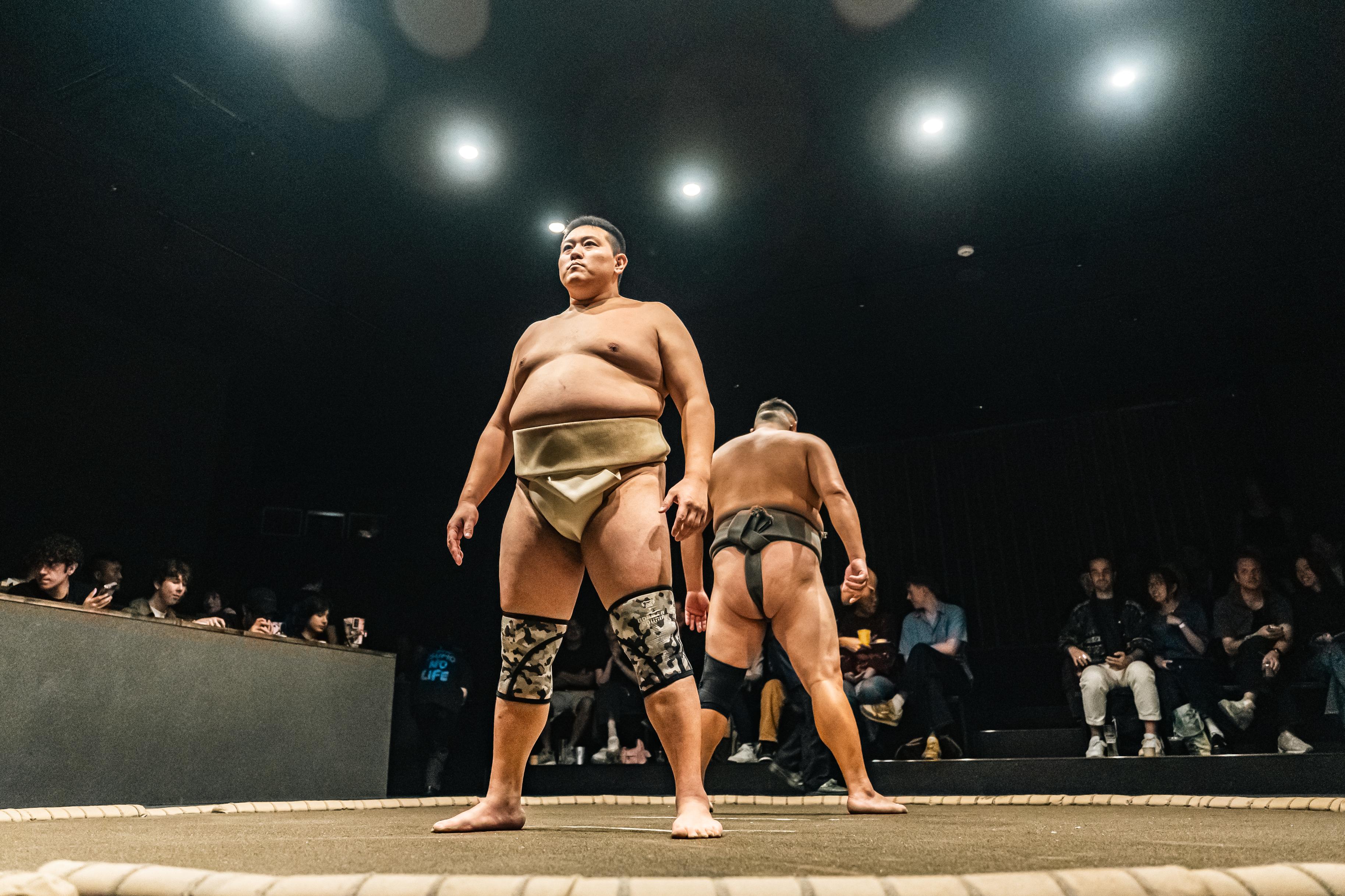
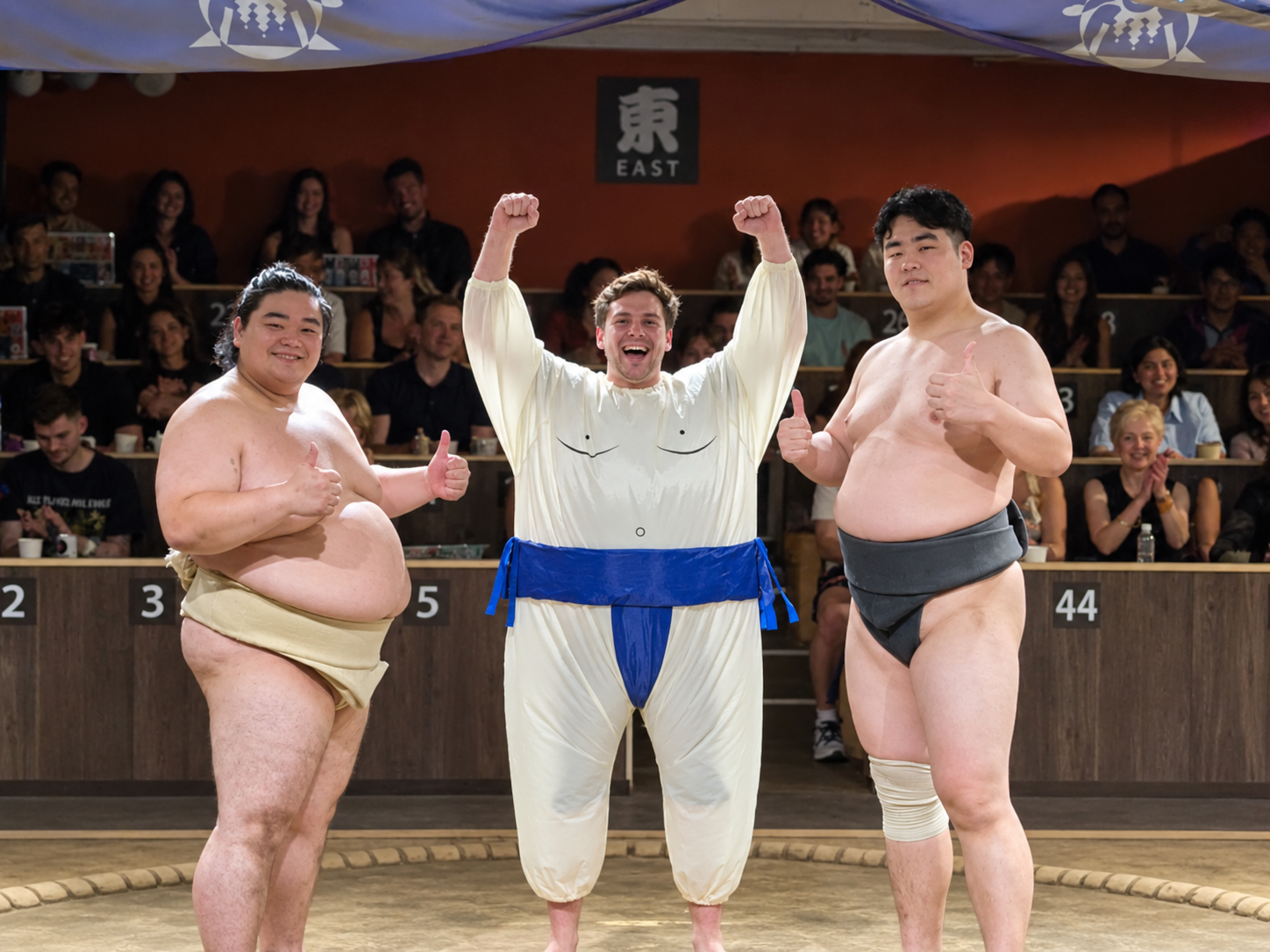
Sumo is a sport with religious roots, and the ritual is part of the contest. Before a bout, wrestlers throw salt into the ring to purify it, stamp their feet and crouch to face each other. The ring itself is treated as a sacred space.
At our shows, an English-speaking host explains what each gesture means as it happens. Retired professional wrestlers perform real bouts, and guests can join the Sumo Challenge. Shows run about 90 minutes and cost ¥10,000 per adult with one drink included. Our sumo rules for beginners and history of sumo guides give the background.
Temple Customs
Senso-ji in Asakusa is Tokyo's oldest temple, founded in 628. The grounds are always open, entry is free, and the main hall opens at 6:30 from October to March. The approach along Nakamise Street, more than 200 metres of stalls, is part of the visit. Go early to see it at its quietest.
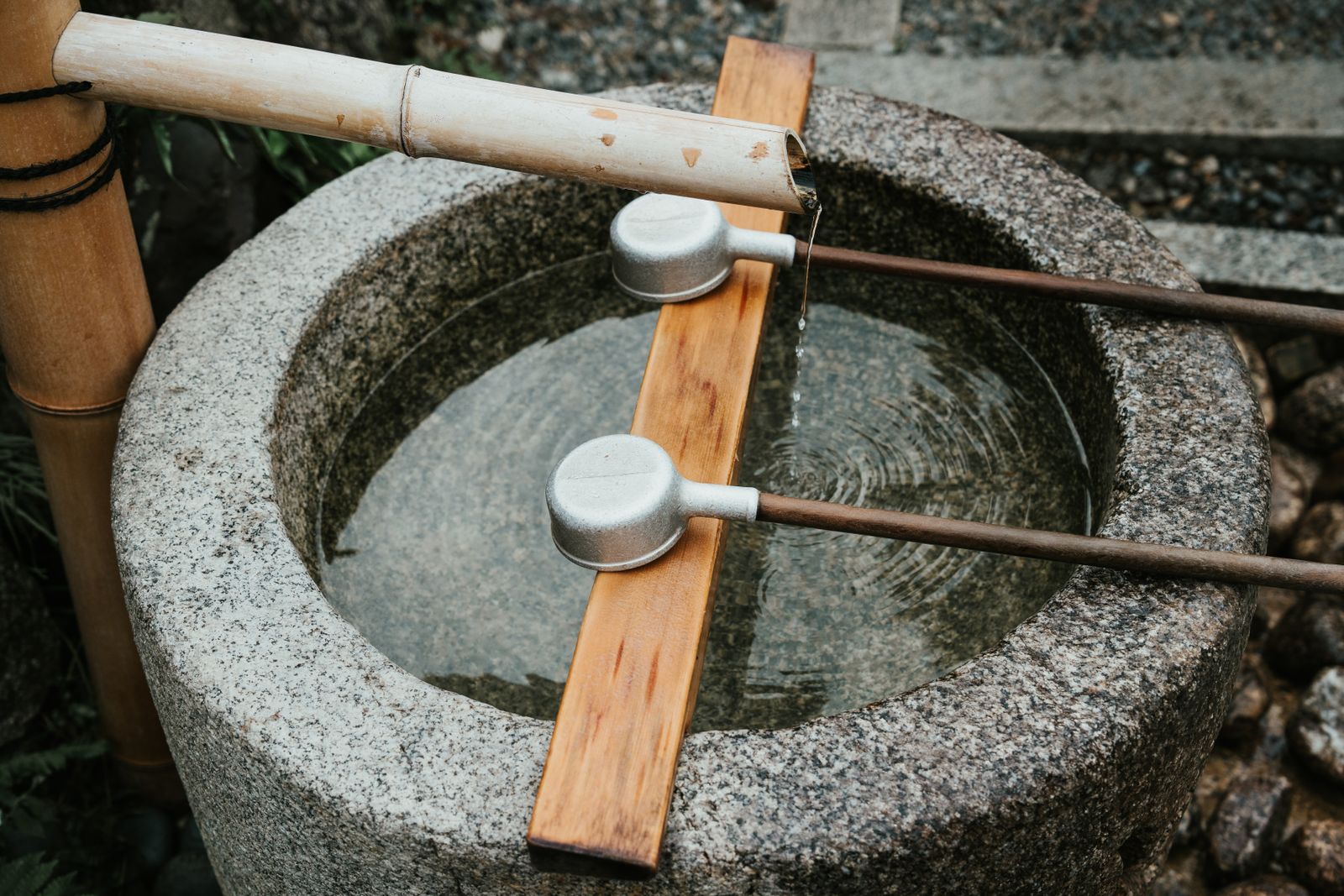
Meiji Shrine in Harajuku sits in a forest, and the long walk from the gate is intended to calm the visitor. The grounds are free to enter.
Craft Traditions
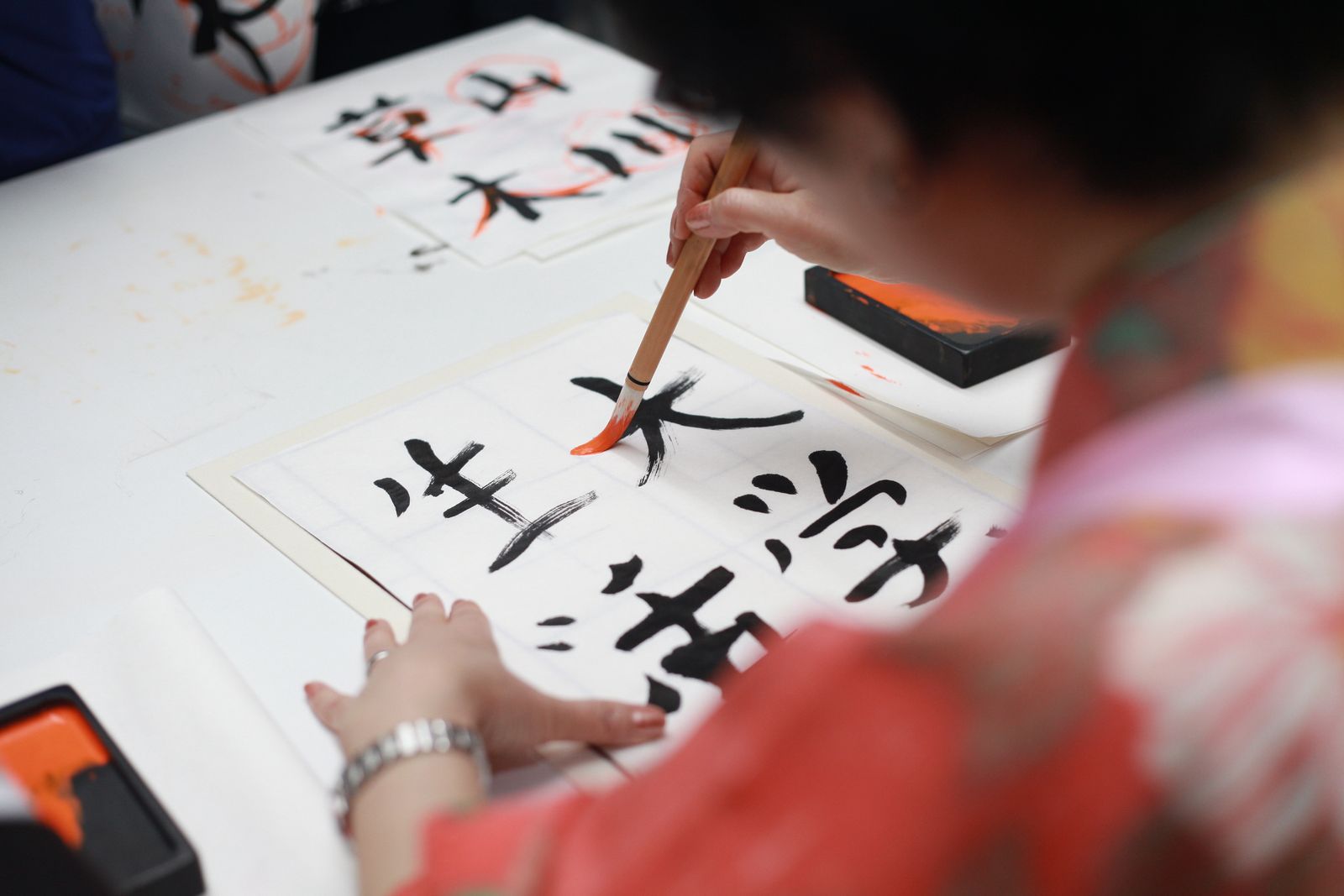
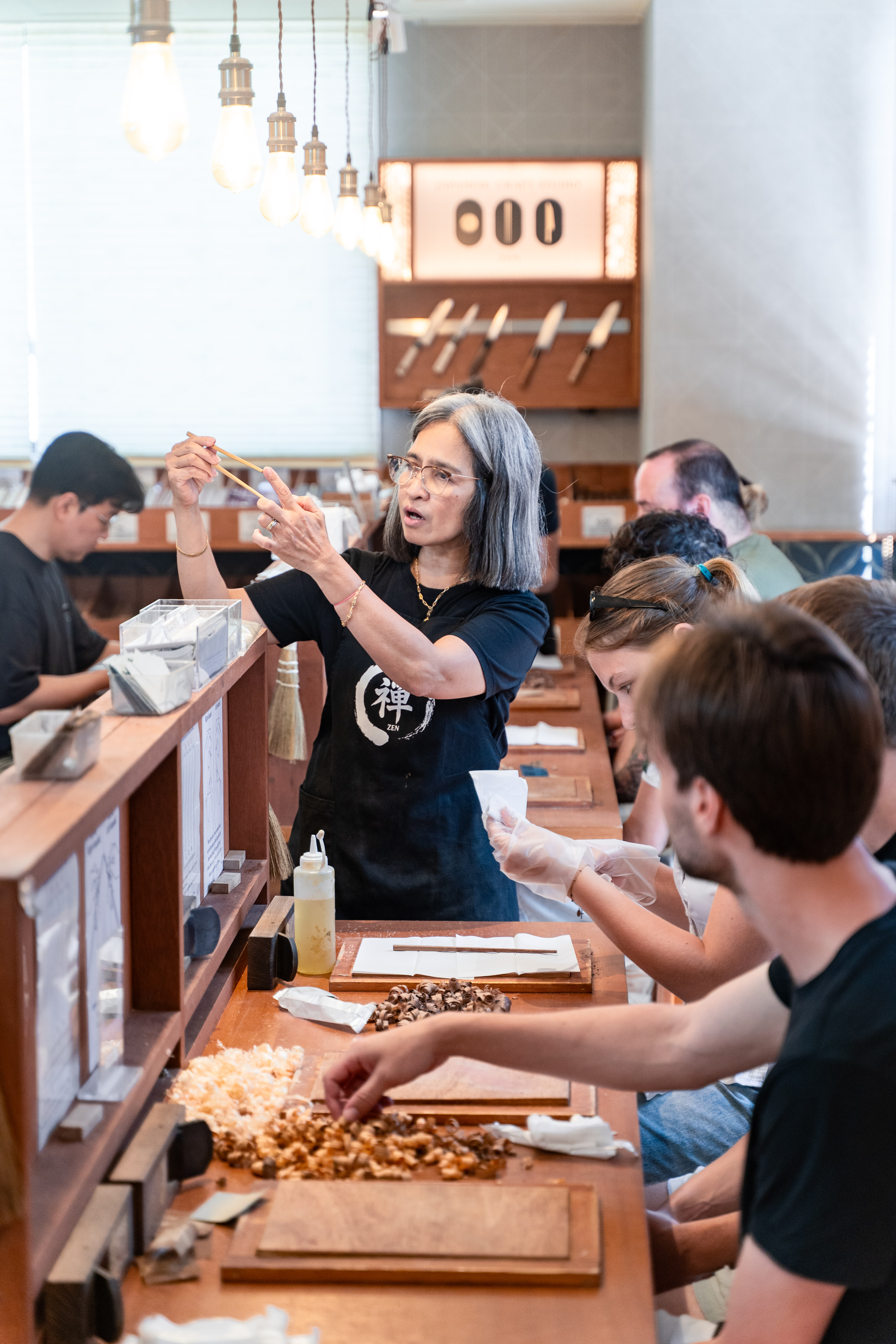
Kintsugi, at ¥3,500 in Asakusa, repairs ceramics with gold so the break becomes part of the object. Chopstick making, at ¥1,200, ties to everyday Japanese tableware. See our best craft experiences in Tokyo and traditional experiences in Tokyo guides.
Seasonal Traditions
Tokyo's calendar of festivals and seasonal events changes each year, so check dates close to your trip. Our seasonal things to do in Tokyo guide covers the main seasons and the sumo tournaments.
How to Experience Them Respectfully
- Follow posted rules at temples and shrines, and keep voices low.
- Do not photograph where signs ask you not to.
- Listen to the host at a show before stepping into the ring.
- Dress modestly for religious sites.
- Treat rituals as practice, not performance.
Conclusion
The best Japanese traditions to experience in Tokyo are the ones with a purpose you can learn: salt thrown to purify a ring, a long path to a shrine, a repair made visible with gold. Start with a sumo show for the explanation, then visit Senso-ji or Meiji Shrine to see more of it.
Frequently Asked Questions
What are the best Japanese traditions to experience in Tokyo?
Sumo rituals at a live show, customs at Senso-ji and Meiji Shrine, and crafts such as kintsugi and chopstick making are the best choices. They are easy to reach, explain themselves with some context, and range from free to ¥10,000 for a sumo show.
Why do sumo wrestlers throw salt?
Salt is thrown to purify the ring before a bout, a practice that comes from Shinto belief. It is one of several rituals built into sumo, alongside foot stamping and the crouch before the clash. At our shows, the host explains each ritual in English.
Is sumo a religious tradition?
It has Shinto roots, and the ritual remains part of the sport, from purification with salt to the treatment of the ring as a sacred space. Today it is also a professional sport. A live show shows both sides, with an English host explaining.
Are temples in Tokyo free to visit?
Many are. Senso-ji's grounds are always open and entry is free, with the main hall opening at 6:30 from October to March. Meiji Shrine's grounds are free to enter. Some inner areas or museums charge separately, so check before you go.
How do I show respect at a Japanese temple or shrine?
Follow the posted signs, keep your voice low, and do not photograph where asked not to. Dress modestly and avoid blocking paths used for worship. If unsure, watch what local visitors do. Early mornings are quieter and easier for observing customs.
What traditional crafts can I try in Tokyo?
Kintsugi costs ¥3,500 in Asakusa, vintage coin ring making ¥3,000 and chopstick making ¥1,200, both in Shinjuku and Asakusa. Knife sharpening is ¥14,000. All are short workshops that leave you with something made or learned, as checked in November 2026.
Can I try sumo myself in Tokyo?
Yes. At our shows, guests can join the Sumo Challenge and face a wrestler in the ring, after the host explains the stance and rules. Shows run about 90 minutes and cost ¥10,000 per adult with one drink included. Check the booking page for any age guidance.
Which tradition is best for a first visit?
A live sumo show is the easiest, since a host explains each ritual in English as it happens. Pair it with Senso-ji in the early morning for contrast, and one craft workshop if you have time. Together they give a broad picture without needing language skills.
Venue and Booking Details
- Shinjuku Sumo Club: Sekisaku Building 2F, 2-5-22 Okubo, Shinjuku-ku, Tokyo · 9:30–22:30 (last entry 20:00) · near Shin-Okubo and Higashi-Shinjuku stations
- Shinjuku Kabukicho Sumo Club: K-SQUARE 1F, 1-8-4 Okubo, Shinjuku-ku, Tokyo · near Shin-Okubo Station
- Shibuya Sumo Club: Daiichi Silver Building, 5-20-11 Sendagaya, Shibuya-ku, Tokyo · 9:00–21:00 · 1-minute walk from JR Yoyogi Station
- Shows: about 90 minutes · hosted in English · one drink included · same-day seats often available
- Book: travelingjapan.com/brands/sumo-show