
Best Cultural Experiences in Tokyo: Live Shows, Workshops and Walking Tours
Published 12 Nov 2026
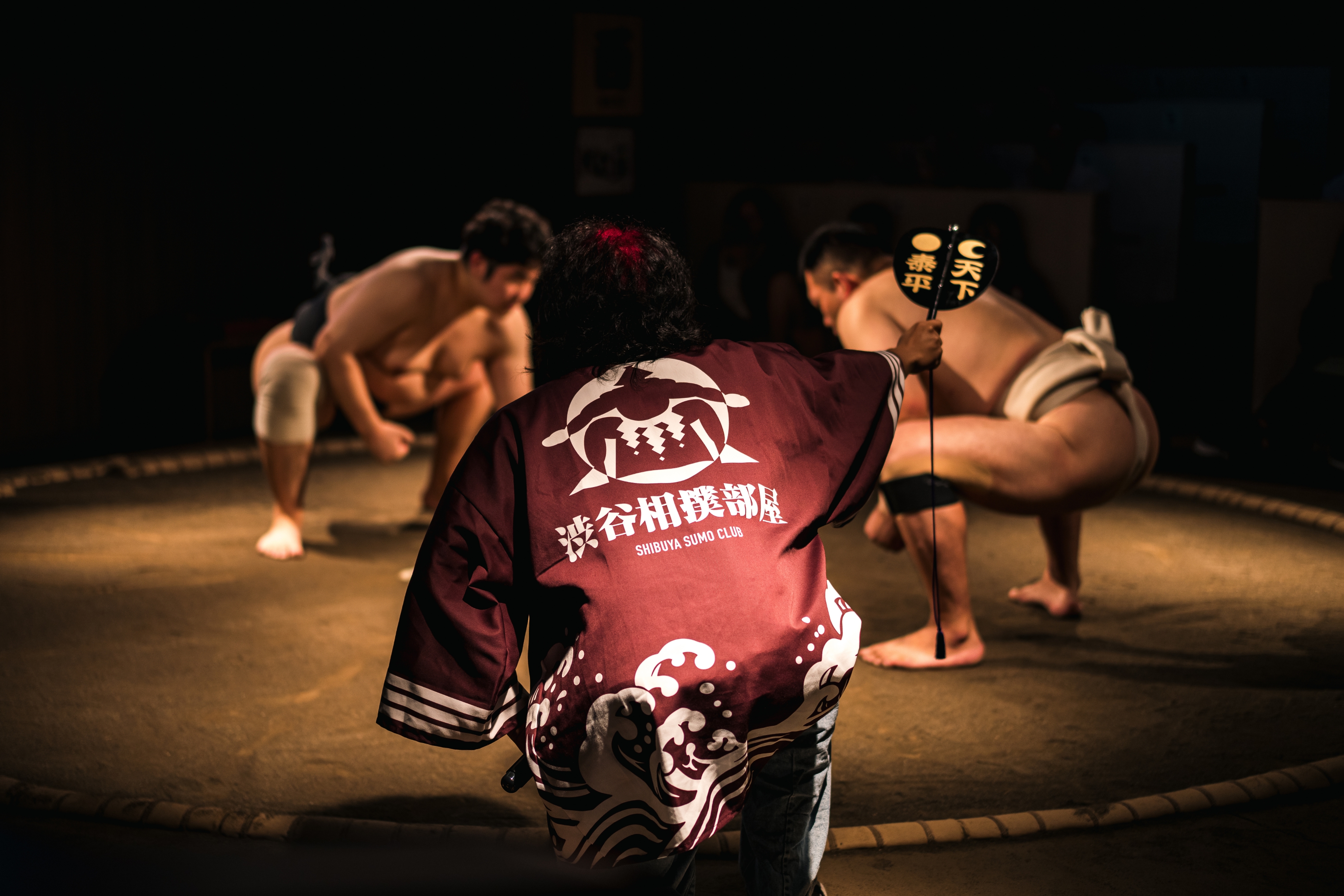
Short answer: The best cultural experiences in Tokyo are the ones you take part in: a live sumo show (¥10,000, about 90 minutes), chopstick making (¥1,200), vintage coin ring making (¥3,000), kintsugi (¥3,500), and guided walking tours (¥2,000 to ¥3,000). Pair one with a temple visit for a full day.
Cultural sightseeing in Tokyo can mean standing in front of things. The better plan is to do something with your hands or watch something live, and then see the temple or shrine it connects to. This guide sorts the options by what you will actually do.
In this guide
- The best cultural experiences in Tokyo at a glance
- Live: a sumo show
- Hands-on workshops
- Walking tours
- Temples and shrines
- Which to choose
- Frequently asked questions
- Venue and booking details
The Best Cultural Experiences in Tokyo at a Glance
Prices come from TRAVELING JAPAN's experiences page, checked November 2026.
Experience | Type | Area | Price |
|---|---|---|---|
Live sumo show | Watch and try | Shinjuku, Shibuya | ¥10,000 |
Chopstick making | Hands-on | Shinjuku, Asakusa | ¥1,200 |
Vintage coin ring making | Hands-on | Shinjuku, Asakusa | ¥3,000 |
Kintsugi | Hands-on | Asakusa | ¥3,500 |
Knife sharpening | Hands-on | Tokyo | ¥14,000 |
Walking tours | Guided | Asakusa, Imperial Palace, Meiji Jingu, Tsukiji | ¥2,000 to ¥3,000 |
Live: A Sumo Show
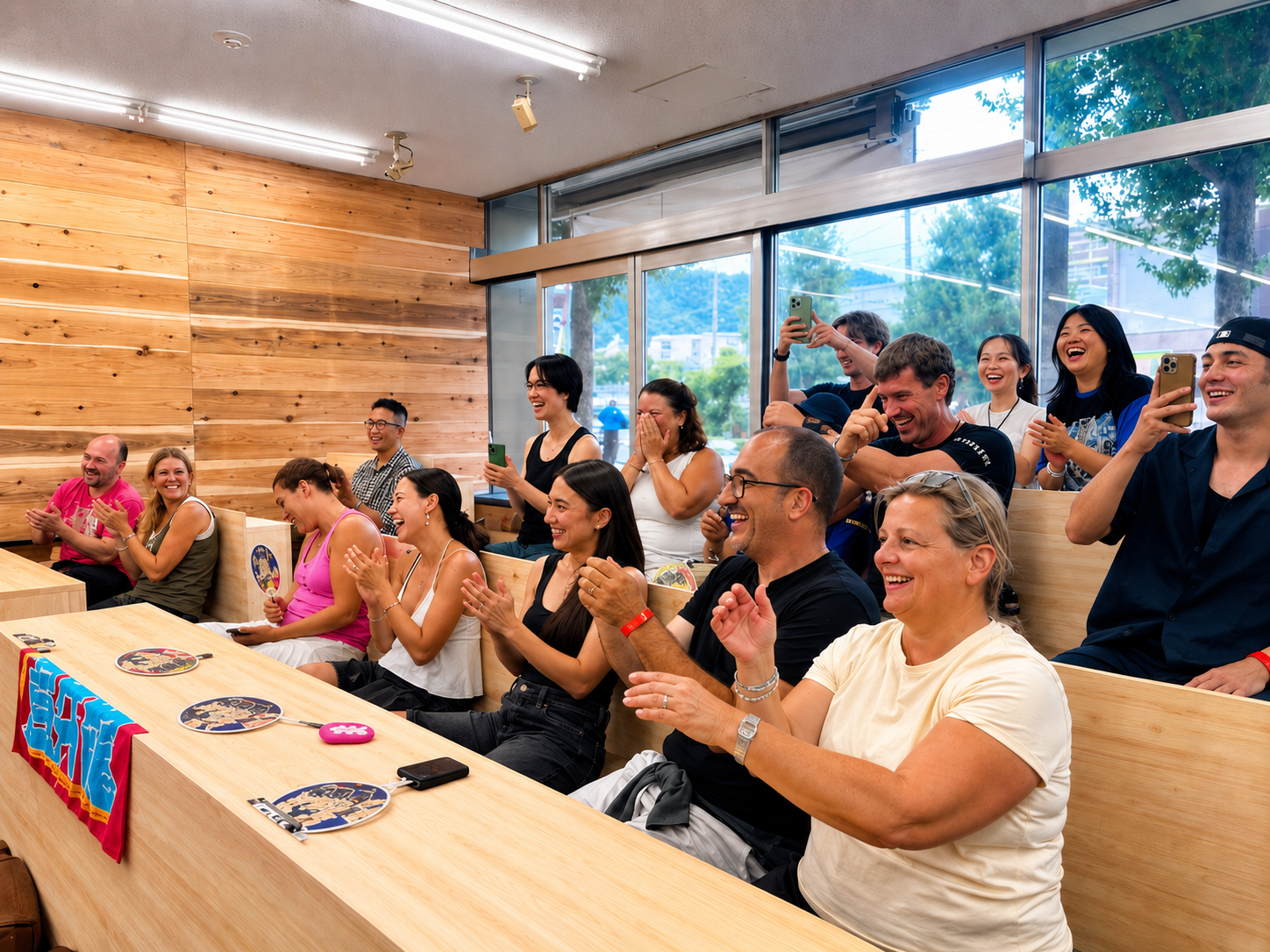
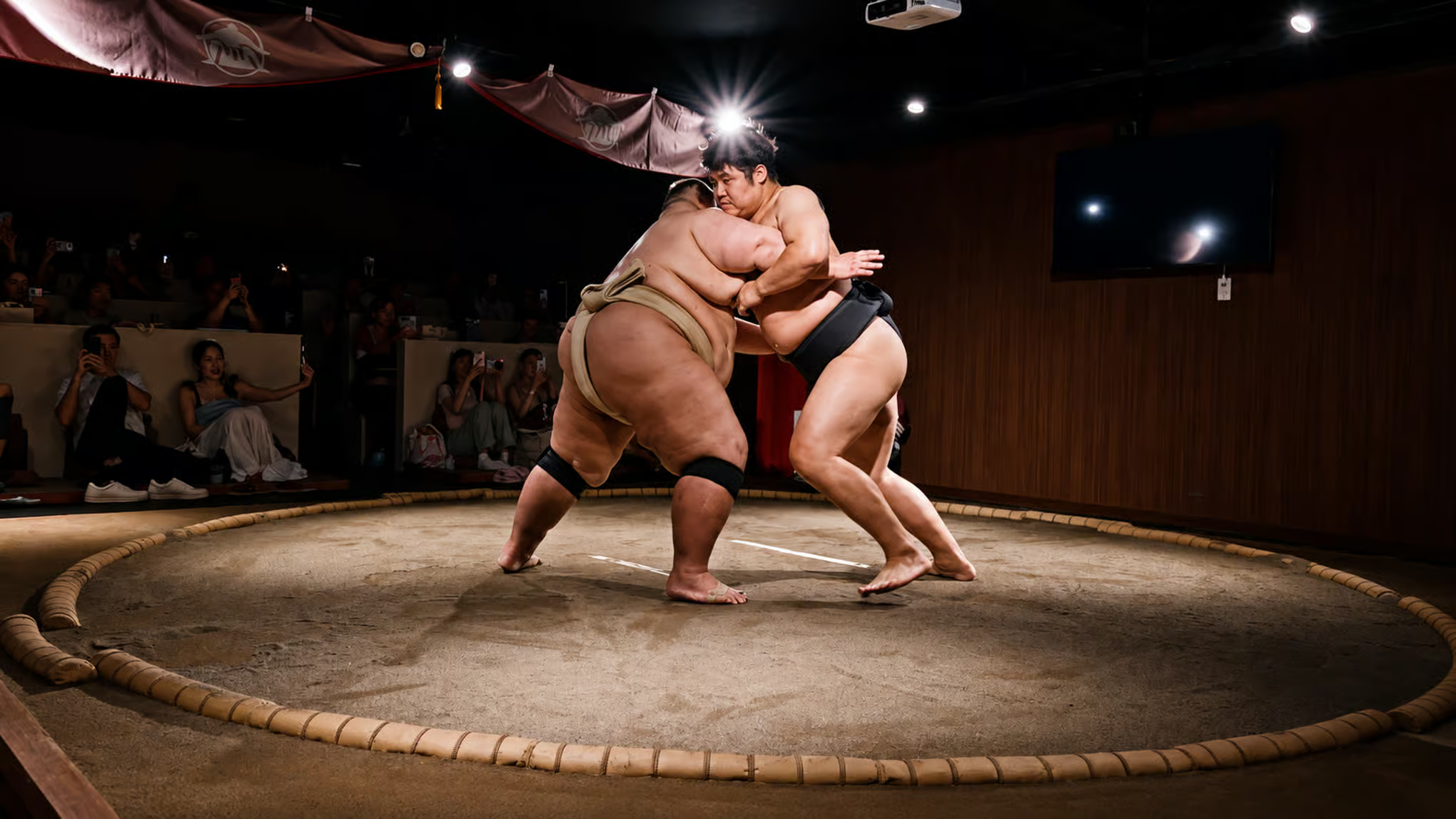
Sumo is the cultural experience with the most energy. Retired professional wrestlers perform real bouts in a small ring while an English-speaking host explains the history, the rituals and the rules. Guests can join the Sumo Challenge and take photos afterwards.
Shows run about 90 minutes and cost ¥10,000 per adult with one drink included. Shinjuku Sumo Club and Shibuya Sumo Club both start at 9:30, and Shinjuku Kabukicho Sumo Club runs four shows between 13:00 and 20:30. See our best sumo shows in Tokyo guide and our history of sumo for the background.
Hands-On Workshops
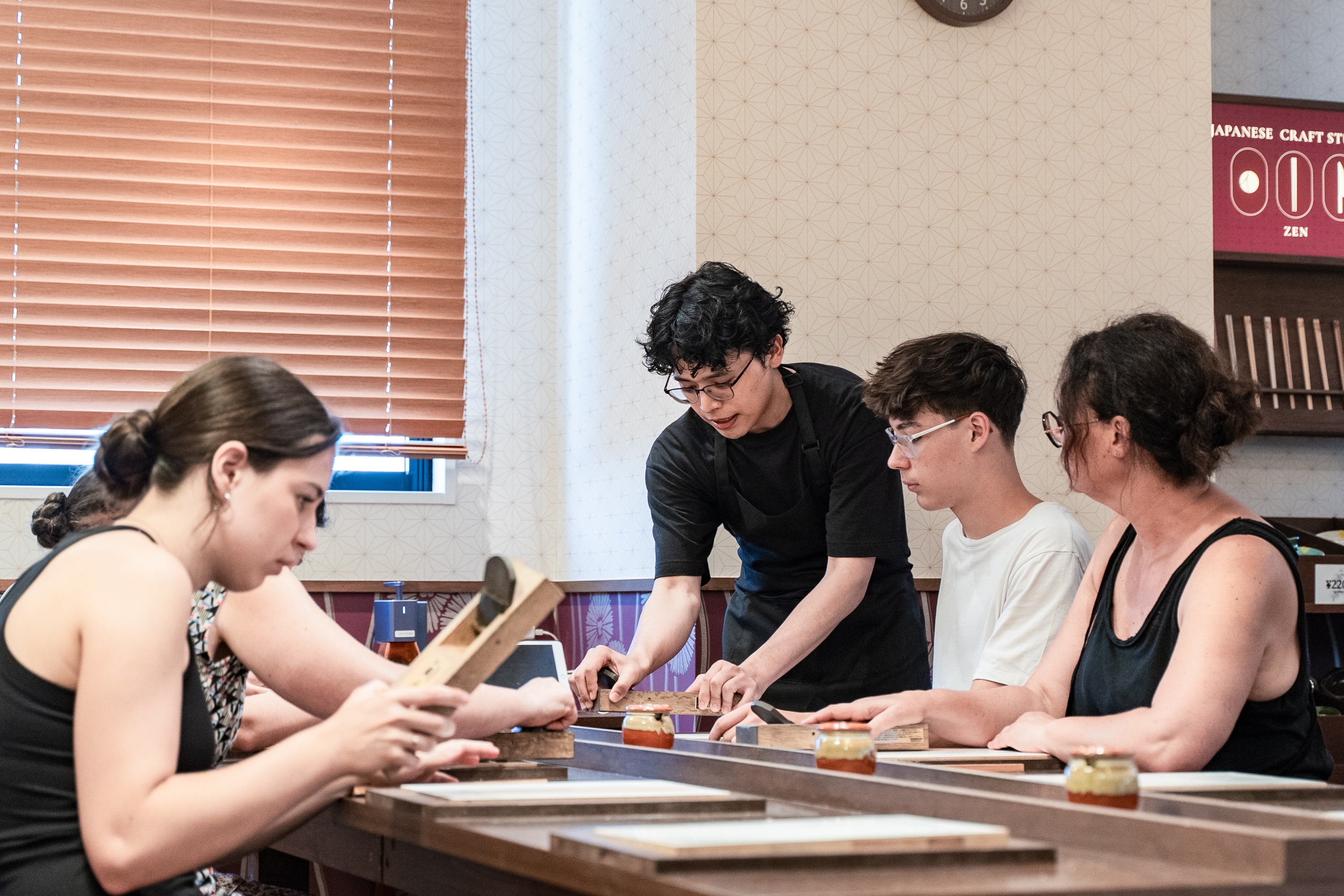
Workshops are the best cultural experiences in Tokyo for people who want to take something home. Chopstick making at ¥1,200 is the quickest and cheapest, in Shinjuku and Asakusa. Vintage coin ring making at ¥3,000 turns an old coin into a ring, in Shinjuku and Asakusa, five minutes' walk from JR Okubo in Shinjuku. Kintsugi at ¥3,500, in Asakusa, teaches the Japanese craft of mending ceramics with gold. Knife sharpening at ¥14,000 suits cooks.
Our traditional experiences in Tokyo guide describes each workshop in more detail.
Walking Tours
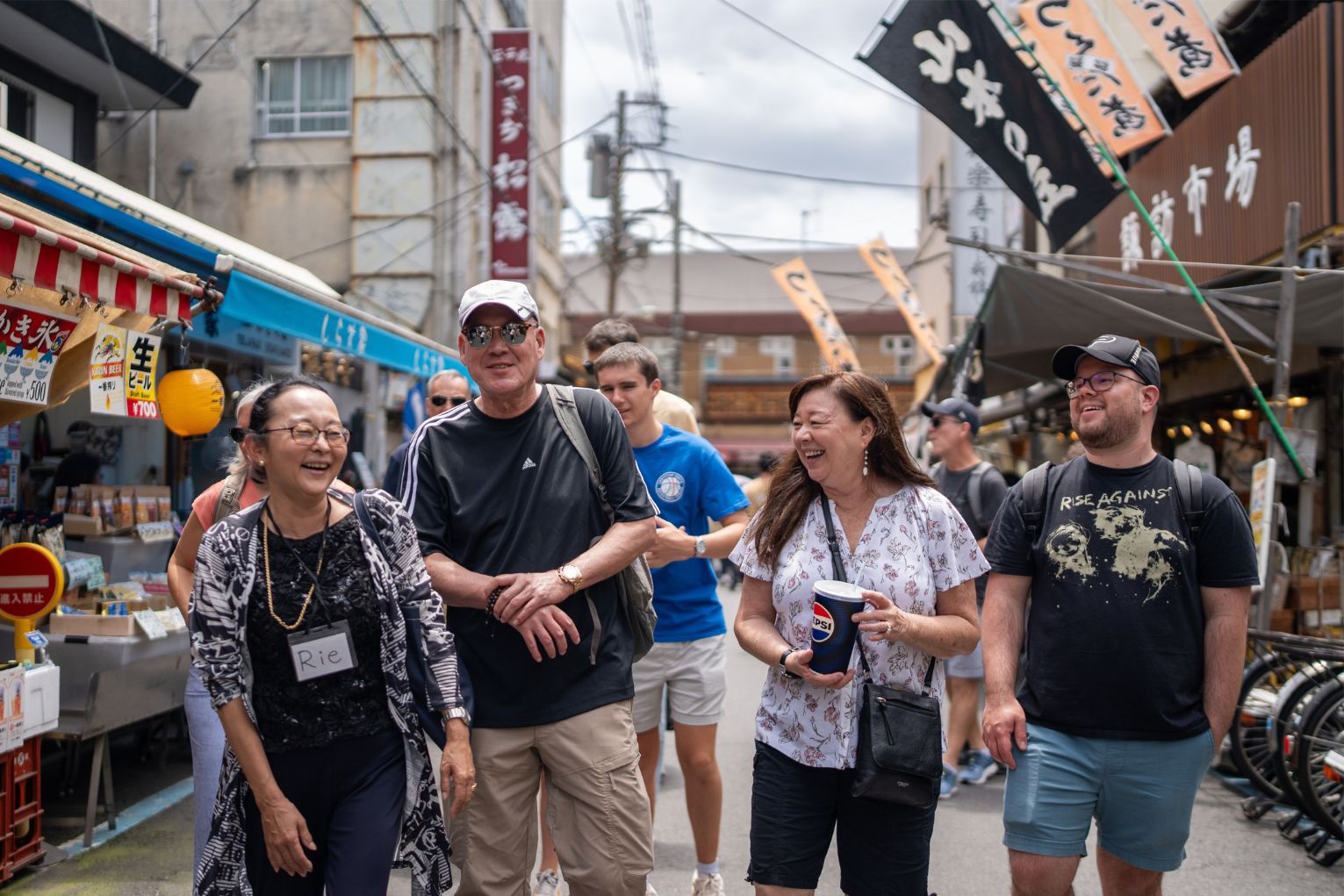
Guided walks, at ¥2,000 to ¥3,000, run in Asakusa, around the Imperial Palace, at Meiji Jingu and in Tsukiji. They add context to places you might otherwise just photograph. A guide explains what you see, which makes a short visit feel substantial.
Temples and Shrines
Temples and shrines are the cultural backbone of any visit. Senso-ji in Asakusa, founded in 628, is always open and free, with its main hall opening at 6:30 from October to March. Meiji Shrine in Harajuku has a long forest approach and free grounds. Combine either with a workshop or a tour so the visit has a thread.
Which to Choose
- One cultural activity only: a sumo show.
- A small budget: chopstick making at ¥1,200.
- A craft to take home: vintage coin ring or kintsugi.
- Context and history: a walking tour.
- A full day: workshop in the morning, Senso-ji or Meiji Shrine at midday, show in the evening.
Our best things to do in Tokyo list shows how these fit with the wider sights.
Conclusion
The best cultural experiences in Tokyo ask something of you: a bout to watch, a craft to make or a guide to follow. Choose one live and one hands-on, add a temple visit, and you will have seen more of Tokyo's culture than a day of photographs gives. Book the sumo show first, since it has fixed times.
Frequently Asked Questions
What are the best cultural experiences in Tokyo?
A live sumo show, hands-on workshops such as chopstick making, vintage coin ring making and kintsugi, guided walking tours and a visit to Senso-ji or Meiji Shrine. Prices range from ¥1,200 for chopsticks to ¥10,000 for a sumo show with one drink included.
How much do cultural activities in Tokyo cost?
Chopstick making is ¥1,200, vintage coin ring making ¥3,000, kintsugi ¥3,500, walking tours ¥2,000 to ¥3,000 and a sumo show ¥10,000 per adult, as checked in November 2026. Temples and shrines such as Senso-ji and Meiji Shrine are free, so mixing paid and free options keeps costs down.
What is the best cultural experience in Tokyo for first-time visitors?
A live sumo show is the easiest starting point, because an English-speaking host explains everything as it happens. It lasts about 90 minutes and includes real bouts, the Sumo Challenge and photos. Pair it with a temple visit the same day to add a quieter contrast.
Are cultural workshops in Tokyo suitable for beginners?
Yes. Chopstick making, coin ring making and kintsugi are designed for people with no experience, and you leave with something you made. They are short, often under a few hours, and fit between other sights. Check the booking page for session length and minimum ages.
Where can I try kintsugi in Tokyo?
Kintsugi is offered in Asakusa at ¥3,500 as checked in November 2026. It teaches the Japanese craft of repairing ceramics with gold. Asakusa is also home to Senso-ji, so a workshop and a temple visit combine into a half day in the same neighbourhood.
What cultural experiences are good for families?
A sumo show is a strong family option, since children can watch close to the ring and try the Sumo Challenge. Chopstick making is cheap and quick. Our sumo show with kids guide covers age questions, and you should confirm age limits on each booking page.
Can I combine cultural experiences in one day?
Yes. A workable day is a workshop in Asakusa in the morning, Senso-ji at midday and a sumo show in Shinjuku in the afternoon. Keep to two areas, and book timed experiences first. Allow time for train rides between the stops.
Is a sumo show a cultural experience or just entertainment?
It is both. Sumo is Japan's national sport with Shinto rituals still built into it, such as salt-throwing and the ring-entering ceremony. The host explains the meaning of these as the bouts happen, so you see a living tradition, not a staged act.
Venue and Booking Details
- Shinjuku Sumo Club: Sekisaku Building 2F, 2-5-22 Okubo, Shinjuku-ku, Tokyo · 9:30–22:30 (last entry 20:00) · near Shin-Okubo and Higashi-Shinjuku stations
- Shinjuku Kabukicho Sumo Club: K-SQUARE 1F, 1-8-4 Okubo, Shinjuku-ku, Tokyo · near Shin-Okubo Station
- Shibuya Sumo Club: Daiichi Silver Building, 5-20-11 Sendagaya, Shibuya-ku, Tokyo · 9:00–21:00 · 1-minute walk from JR Yoyogi Station
- Shows: about 90 minutes · hosted in English · one drink included · same-day seats often available
- Book: travelingjapan.com/brands/sumo-show